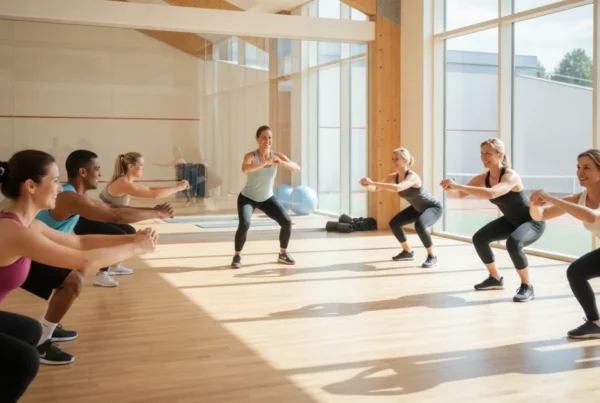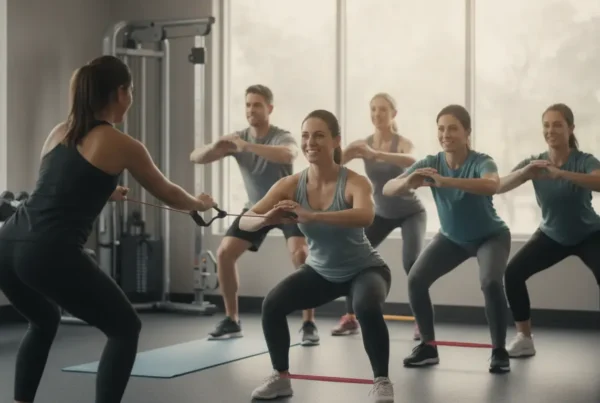

Let’s get one thing straight: Pilates is not just glorified stretching. It’s also not just for dancers or women. One of the biggest myths about this workout is that it’s easy, but the slow, controlled movements create a deep burn that challenges your muscles in a whole new way. It was originally developed by a man to build serious core strength and body control. Whether you’re a seasoned athlete or just starting your fitness journey, Pilates offers a balanced, full-body workout. This guide will bust the common myths and give you a clear, honest look at pilates for beginners.
Key Takeaways
- Prioritize Control Over Reps: Pilates is about slow, precise movements. Instead of rushing, concentrate on engaging your core and maintaining proper alignment to build deep strength and prevent injury.
- Strengthen Your Body and Mind: Pilates does more than build long, lean muscles and improve posture. The required focus and coordinated breathing also help reduce stress and improve mental clarity, making it a complete mind-body workout.
- Practice Consistently with Guidance: Aim for two to three sessions per week to see real progress. While home workouts are great, starting with a few studio classes provides expert feedback on your form, which is crucial for building a safe and effective practice.
What Is Pilates?
If you’ve ever peeked into a Pilates studio, you might have seen people on mats or unique-looking machines, moving with incredible control. So, what exactly is going on in there? Pilates is a fitness system developed by Joseph Pilates in the early 20th century. At its heart, it’s all about strengthening your muscles while improving your posture and flexibility. It’s a practice that connects your mind and body, teaching you to move with intention and precision. Think of it as building a strong, stable foundation that supports you in everything you do, from acing a tennis match to simply sitting at your desk without that nagging back pain.
The Core Principles of Pilates
Pilates is built on a few key ideas that make it so effective. The main focus is on developing core strength, but we’re not just talking about a six-pack. Your core includes your entire trunk: your abs, back, hips, and glutes. A strong core is your body’s powerhouse. The practice also emphasizes controlled, precise movements over speed or high reps. You’ll learn to move with intention, which improves your overall body awareness and alignment. This mindful approach helps you get more out of every exercise and reduces the risk of injury, making it a smart and sustainable way to work out.
Pilates vs. Other Workouts: What’s the Difference?
You might be wondering how Pilates stacks up against your usual spin class or weightlifting session. Unlike many high-intensity workouts, Pilates is a low-impact exercise. This means it’s gentle on your joints, making it a great option for just about everyone, regardless of your fitness level. But don’t mistake low-impact for easy. The focus on slow, controlled movements and core engagement creates a deep, challenging burn. It’s an amazing complement to other activities, too. For tennis and pickleball players, the core stability and flexibility you build can seriously improve your game and help prevent injuries. It’s about building functional strength that serves you both in and out of the club.
Busting Common Pilates Myths
Let’s clear up a few things you might have heard about Pilates. One of the biggest myths is that it’s easy or just a glorified stretching session. Anyone who has taken a proper class will tell you that Pilates, when done with the right technique, can be incredibly challenging. The difficulty comes from the precision and control required for each movement. Another common misconception is that Pilates is only for women. Fun fact: it was originally developed by a man for men! It’s a fantastic workout for anyone looking to build core strength, improve mobility, and gain flexibility. Finally, if you think it’s not a “real” workout, think again. Pilates is a balanced, full-body workout that will leave you feeling stronger and more connected to your body.
The Top Benefits of Starting Pilates
If you think Pilates is just about getting a six-pack, I’m happy to tell you there’s so much more to it. While you will absolutely build incredible core strength, the benefits ripple out into so many other areas of your life. From the way you stand and walk to how you handle stress, a consistent Pilates practice offers a powerful combination of physical and mental rewards. It’s a workout that truly works with you, helping you feel stronger, more aligned, and more centered, both on and off the mat.
Build Strength and Flexibility
One of the first things people notice about Pilates is how it uniquely builds strength and flexibility at the same time. Unlike some workouts that focus on one or the other, Pilates uses controlled movements and resistance (from your own body or equipment) to create long, lean muscles. The practice is designed to improve strength, flexibility, and balance, which is why so many people see clearer muscle definition and feel stronger all over. This balanced approach not only helps you move with more grace but also improves your performance in other activities, whether you’re playing tennis or just carrying groceries.
Improve Your Posture and Alignment
Do you spend a lot of time hunched over a desk or phone? Pilates is an amazing antidote to modern-day posture problems. At its heart, Pilates is all about the core. It builds a strong core, which is your body’s central support system. When your core is strong, it helps stabilize your spine and pelvis, allowing you to stand taller and move with better alignment. This doesn’t just make you look more confident; it can also help reduce back pain and prevent injuries. You’ll start to notice yourself sitting up straighter without even thinking about it.
Find Stress Relief and Mental Clarity
Pilates is as much a workout for your mind as it is for your body. The intense focus required for each movement, combined with controlled breathing, creates a meditative experience. It forces you to be present and leave your daily worries outside the studio. Many people find that Pilates can improve your mental well-being by providing a dedicated time to connect with your body and quiet your mind. You’ll likely leave class feeling not just physically stronger, but also mentally refreshed, calmer, and more centered. It’s the perfect way to reset after a stressful day.
What Equipment Do You Really Need?
One of the best things about Pilates is how accessible it is. You don’t need a home gym filled with expensive machines or a closet full of specialized gear to get started. The focus is on using your own body weight for resistance, which means the list of required equipment is refreshingly short. This low barrier to entry makes it easy to try Pilates and see if it’s the right fit for you without a big upfront investment. So, let’s break down what you actually need versus what’s just nice to have.
The Essentials
To begin your Pilates practice, you really only need two things: yourself and a mat. That’s it. You’ll want to wear comfortable clothes that you can move in easily, but there’s no need for a special outfit. A simple pair of leggings or shorts and a fitted top are perfect. The most important piece of gear is an exercise mat, which provides cushioning for your spine, knees, and other joints. It creates a comfortable and stable surface for you to perform the exercises correctly and safely, whether you’re at home or in a studio.
Optional (But Helpful) Gear
While you can get a great workout with just a mat, some items can enhance your practice. Paying attention to what you wear can improve both comfort and safety. For example, clothes that are too baggy can sometimes get in the way or catch on studio equipment, while slippery socks can make it harder to hold your form. Many people prefer grip socks for extra stability. Beyond apparel, the best optional investment you can make is in yourself. If you’re getting serious about your practice, joining a group Pilates class is a great next step for guidance and community.
5 Foundational Pilates Exercises for Beginners
Getting started with Pilates is all about mastering the fundamentals. These five exercises are the building blocks of a solid practice. They’ll teach you how to engage your core, coordinate your breath with movement, and build body awareness. Don’t worry about getting them perfect on day one. The goal is to focus on your form and move with intention. As you get stronger and more familiar with the movements, you can explore more challenging variations. For now, let’s get you comfortable with the basics that you’ll see in almost every class.
1. The Hundred
The Hundred is a classic Pilates warm-up for a reason. It gets your blood pumping, fires up your abdominals, and teaches you how to sync your breath with movement. This exercise is designed to work on breath control and abdominal support all at once, preparing your body for the work ahead. To start, lie on your back with your knees bent and feet flat on the floor. Lift your head and shoulders off the mat. Extend your arms long by your sides, palms facing down. Begin to pump your arms up and down as you breathe in for five counts and out for five counts. Repeat this ten times for a total of 100 pumps. For a modification, keep your head on the mat.
2. The Roll-Up
The Roll-Up is fantastic for strengthening your abdominals and increasing spinal flexibility. It teaches you to move with control, articulating your spine one vertebra at a time. Start by lying on your back with your legs straight and your arms extended overhead. Inhale as you lift your arms, head, and neck off the floor. Exhale as you continue to roll up, peeling your spine off the mat and reaching toward your toes. Keep your abs pulled in tight. To return, reverse the motion, slowly lowering yourself back down. If this feels too challenging, try it with your knees bent to give yourself a little more support as you build strength.
3. Single Leg Circles
This exercise is all about control. Single Leg Circles are excellent for improving hip mobility and challenging the stability of your pelvis and core. Lie on your back with one leg extended toward the ceiling and the other resting on the mat (you can bend the knee for more support). Keeping your torso and pelvis completely still, trace small circles on the ceiling with your raised leg, initiating the movement from your hip joint. Do five circles in one direction, then reverse for five more before switching legs. The key is to prevent your hips from rocking side to side. Smaller circles are often more effective than large, uncontrolled ones.
4. The Bridge
The Bridge is a powerhouse move for strengthening your glutes, hamstrings, and back, all while opening up your hips. Lie on your back with your knees bent, feet flat on the floor hip-width apart, and your arms resting by your sides. On an exhale, press through your feet and begin to peel your spine off the mat, starting with your tailbone and lifting until your body forms a straight line from your shoulders to your knees. Squeeze your glutes at the top. Inhale, then exhale as you slowly lower back down, one vertebra at a time. This exercise is a great way to activate your glutes, which helps support your lower back.
5. The Plank
You’ve probably seen the plank in other workouts, and it’s a staple in Pilates for its full-body benefits. It strengthens your core, shoulders, and back. To get into position, place your hands or forearms on the mat directly under your shoulders. Extend your legs back, creating a straight line from your head to your heels. Engage your core by pulling your belly button toward your spine, and be careful not to let your hips sag or rise too high. Hold for 20 to 30 seconds, focusing on maintaining steady breathing and solid form. If you need to modify, you can always drop to your knees while keeping your core engaged.
What to Expect in Your First Pilates Class
Walking into any new fitness class for the first time can feel a little nerve-wracking, but knowing what’s coming can make all the difference. While every instructor has their own style, most Pilates classes follow a similar rhythm. The main goal is to help you connect with your body and build strength from the inside out. Remember, everyone in that room was a beginner once, so take a deep breath and get ready to have a great workout.
The Flow of a Typical Class
Most Pilates classes last between 45 and 60 minutes, starting with a gentle warm-up to get your muscles ready. This usually involves simple stretches and breathing exercises. From there, you’ll move into the main part of the workout, which includes a series of exercises targeting different muscle groups. A huge part of Pilates is about control, so don’t be surprised by the slow, deliberate pace. Moving slowly is often much harder and more effective than rushing through the motions. You’ll finish with a cool-down to stretch your muscles and relax your mind. The entire class is designed to be a full-body experience, with a strong emphasis on your core.
How Your Instructor Will Guide You
Your instructor is your greatest resource in the studio. Their job is to lead you through the exercises safely and effectively. They will offer clear verbal cues for each movement and demonstrate the proper form. A good teacher will watch you and make sure your form is correct, which helps you avoid injuries, especially since so many exercises focus on your core and spine. Don’t be afraid to let them know if you have any injuries or if something doesn’t feel right. They can offer modifications to make an exercise easier or more challenging, depending on what your body needs. Their guidance ensures you get the most out of every movement.
Overcome Common Beginner Hurdles
It’s completely normal to feel a bit uncoordinated at first. Two of the most common hurdles for beginners are breathing and muscle tension. Many people hold their breath when they’re concentrating, but this actually makes the work harder by tensing your muscles. Try to focus on maintaining a steady, deep breathing pattern. Another common habit is tensing the neck and shoulders to compensate for a weak core, especially during ab exercises. If you feel this happening, take a moment to reset and focus on pulling your belly button toward your spine. Recognizing these common mistakes early on will help you build a stronger, more effective practice from the start.
At Home vs. In a Studio: Which Is Right for You?
Deciding where to practice Pilates is one of the first steps on your journey. Both at-home workouts and in-studio classes offer unique advantages, and the best choice really comes down to your personality, schedule, and goals. Maybe you love the energy of a group setting, or perhaps the convenience of rolling out your mat in the living room is more your speed. There’s no wrong answer here. To help you figure out what fits your life best, let’s look at the benefits of each approach. You might even find that a combination of both is your perfect match.
The Case for Practicing at Home
Practicing Pilates at home offers incredible flexibility, making it a fantastic option if you have a busy schedule or just prefer a private setting. You can move at your own pace, rewinding a video to nail a tricky move or focusing on foundational exercises without any pressure. There are tons of high-quality online resources, many of which are designed specifically for people new to Pilates. If you’re worried about going it alone, you can always try virtual private sessions. An online teacher can still see you, offer corrections, and provide the guidance you need to feel confident in your movements.
The Benefits of a Studio Class
While home practice is convenient, nothing quite compares to the experience of a studio class. The biggest advantage is having an instructor right there with you. They can watch your form, offer hands-on adjustments, and make sure you’re moving safely, which is especially important since Pilates focuses so much on your core and spine. Even taking a few in-person group fitness classes can make a huge difference. Once you learn the correct way to engage your muscles from a teacher, you’ll get so much more out of any videos you do at home. Plus, the shared energy and camaraderie of a class can be incredibly motivating.
How Often Should You Practice Pilates?
When you’re excited about starting something new, it’s tempting to go all in. But how often should you actually be rolling out your mat for Pilates? The honest answer is that it depends on your personal goals, your schedule, and what feels good for your body. The most important thing isn’t hitting a magic number of classes each week. It’s about finding a rhythm that you can stick with long-term. Whether you can commit to one day a week or four, building a steady routine is what will ultimately help you feel stronger, more flexible, and more connected to your body.
Create a Consistent Practice
To truly feel the benefits of Pilates, from a stronger core to better posture, consistency is your best friend. Aiming for two to three sessions per week is a fantastic goal for beginners. This frequency gives your body enough time to recover between workouts while also allowing you to build on what you learned in the previous class. As many long-time Pilates fans will tell you, to see results, you need to practice regularly. A consistent schedule helps build muscle memory, making the foundational movements feel more natural over time. It’s much better to do two classes every week than to do five classes one week and then none for a month.
Set Achievable Goals
It’s easy to get discouraged if you expect perfection right away. Instead, focus on setting small, achievable goals for your Pilates journey. Maybe your goal for the first month is simply to attend two classes a week without fail. Or perhaps you want to focus on mastering the form for one new exercise, like The Hundred. Remember that any common mistakes are just stepping stones, and with a little guidance, you’ll turn them into strengths. Be patient with yourself, honor your body’s limits, and celebrate the small wins along the way. This approach makes your practice more enjoyable and sustainable, which is what it’s all about.
Avoid These Common Beginner Mistakes
Everyone makes mistakes when they’re starting something new, and Pilates is no exception. Think of these early slip-ups not as failures, but as learning opportunities. The hardest part is just showing up for your first class. Once you’re on the mat, being aware of these common beginner habits will help you build a strong foundation and get the most out of every movement. With a little guidance, you’ll turn these stepping stones into strengths and feel more confident in your practice.
Holding Your Breath
When you’re concentrating hard on a new or challenging move, it’s natural to hold your breath without even realizing it. The problem is, this robs your muscles of the oxygen they need to work efficiently. Instead of flowing through the exercise, your body tenses up, making the movement harder than it needs to be. The fix is simple in theory but takes practice: focus on your breathing. A good rule of thumb is to exhale on the effort. This conscious breathing not only fuels your body but also helps you engage your core more deeply.
Rushing the Movements
Pilates is all about slow, precise, and controlled movements. It’s not a race to see how many reps you can do. When you rush, you rely on momentum instead of muscle strength, which defeats the purpose of the exercise and increases your risk of injury. Remember, you’ve already done the hardest part by showing up. Slow down and connect your mind to your muscles, feeling every part of the exercise. This deliberate pace is where you’ll build true strength, control, and body awareness. Quality will always trump quantity in a Pilates class.
Forgetting to Engage Your Core
Your powerhouse, or core, is the center of every Pilates exercise. However, many beginners compensate for a still-developing core by tensing their neck and shoulders, especially during exercises like the Chest Lift. If you feel strain in your neck, it’s a sign that your core might not be fully engaged. To fix this, actively think about drawing your belly button toward your spine. Visualize your ribcage knitting together. If your neck still feels strained, it’s perfectly fine to lower your head or keep it supported until you build more core strength.
Prioritizing Reps Over Form
It can be tempting to push through an exercise just to complete the set, but doing ten reps with poor form is far less effective than doing five with perfect alignment. Bad form can lead to strain and prevents you from targeting the right muscles. Instead of focusing on the number of reps, focus on the quality of your movement. Visualize creating a long, elegant neck by drawing your shoulder blades down and away from your ears. Always listen to your body; if something doesn’t feel right, modify the exercise or take a short break.
6 Tips for a Successful Pilates Practice
Starting any new fitness routine can feel a little intimidating, but a few simple tips can make all the difference. Think of these as your friendly guideposts for getting the most out of every class. By focusing on these key areas, you’ll build a strong foundation, feel more confident on the mat or reformer, and truly enjoy your Pilates practice from day one. Let’s get you started on the right foot.
1. Dress for Comfort and Movement
What you wear to class matters more than you might think. Your main goal is to choose clothes that let you move freely without getting in the way. Form-fitting leggings or shorts and a comfortable top are perfect. Super loose clothing can be a safety issue, as it might catch on the equipment during a reformer class. You’ll also want to think about your feet. While you can go barefoot, many people prefer socks with grips on the bottom. These give you better traction and control, especially on the reformer, so you can focus on your form instead of worrying about slipping.
2. Connect With Your Instructor
Your instructor is your greatest resource, so don’t be afraid to use them! It’s completely normal to feel a little shy at first or worry about slowing down the class, but asking questions is the fastest way to improve. Your instructor can offer personalized adjustments and expert feedback that ensures you’re performing movements correctly and safely. Arrive a few minutes early to introduce yourself and mention that you’re new. Let them know about any injuries or concerns you have. They are there to help you succeed and will appreciate the heads-up so they can give you the best possible guidance throughout the class.
3. Prioritize Form Over Speed
In Pilates, slow and steady definitely wins the race. The goal isn’t to rush through as many repetitions as possible; it’s about performing each movement with precision and control. Focus on the quality of your movements, not the quantity. Go slow, breathe deeply, and really think about the muscles you’re engaging. It’s better to do five perfect reps than 15 sloppy ones. Remember that mistakes are just part of the learning process. With the right focus and guidance, you’ll soon turn them into strengths and build a solid foundation for your practice.
4. Master Your Breathing
It’s a classic beginner moment: you’re so focused on getting the movement right that you suddenly realize you’ve been holding your breath. Don’t worry, you’re not alone if you’ve ever caught yourself turning blue during the Hundred. Breathing is a fundamental part of Pilates that helps you engage your core and control your movements. Your instructor will guide you on when to inhale and exhale during each exercise. Try to match your breath to the rhythm of the movement. This coordination might feel awkward at first, but it will become second nature with practice and dramatically improve your workout.
5. Progress at Your Own Pace
It’s easy to look around the room and compare yourself to others, but your Pilates journey is your own. Focus on your body and your progress. If an exercise feels too intense, especially on your neck or lower back, don’t be afraid to modify it. For example, if your neck feels strained during an ab exercise, simply lower your head to the mat. You can always keep it supported until you build more core strength. Pushing yourself too hard before you’re ready can lead to injury. Celebrate small wins and trust that you will get stronger with every class you take.
6. Listen to Your Body
This might be the most important tip of all: always listen to your body. Pilates should challenge you, but it should never cause sharp pain. There’s a big difference between the burn of a working muscle and the warning signal of pain. If something hurts, stop or adjust the movement. Only go as far into a stretch or movement as feels right for you on that particular day. Remember that proper technique and good form are always more important than how high you can lift your leg or how deeply you can curl up. Honoring your body’s limits is a sign of strength, not weakness.
Frequently Asked Questions
I’m not very flexible at all. Can I still do Pilates? Absolutely. In fact, that’s one of the best reasons to start. A common myth is that you need to be flexible to begin Pilates, but it’s the other way around: Pilates is the practice that builds your flexibility. The exercises are designed to safely increase your range of motion by strengthening your muscles as they lengthen. You’ll never be forced into a position your body isn’t ready for, and your instructor can offer modifications to meet you exactly where you are.
What’s the difference between mat Pilates and the classes that use machines? This is a great question. Mat Pilates, as the name suggests, is done on a mat and uses your own body weight as the primary source of resistance. It’s the foundation of the entire system. The machines you see, most commonly the Reformer, use a system of springs, pulleys, and a sliding carriage to add resistance or provide support. Both are amazing workouts that focus on the same core principles; the Reformer just adds another layer of challenge and variety to the practice.
I have some lower back pain. Is Pilates a good idea for me? For many people, Pilates can be incredibly helpful for managing and reducing back pain, but you should always check with your doctor before starting any new exercise program. The practice is centered on building deep core strength, which creates a natural corset of support for your spine. This improved stability can take a lot of pressure off your back. The key is to work with a qualified instructor who can ensure your form is correct and provide modifications to keep you safe.
Will Pilates help me lose weight? While Pilates is a fantastic workout for building lean muscle, improving posture, and toning your entire body, it’s not a high-intensity cardio exercise. It will definitely burn calories and contribute to a healthier body composition, but if weight loss is your primary goal, you’ll get the best results by pairing your Pilates practice with other activities like cardio and a balanced diet. Think of it as the perfect partner for creating a strong, functional body.
How quickly will I start to feel a difference? Many people feel a difference right after their first class, not necessarily in how their body looks, but in how it feels. You might stand a little taller, feel more connected to your core, or notice a sense of mental clarity. The more visible results, like improved muscle tone and strength, come with consistency. If you stick with a practice of two to three classes per week, you’ll likely start to see and feel more significant changes within a month or two.