
When parents look for kids tennis lessons in Chagrin Falls, they often have the same questions: Is my child old enough? Will a group class be a good fit? And what should a quality junior program teach first? The best starting point is not a particular birthday. It is a welcoming lesson that matches a child’s size, attention span, confidence, and interest in playing.
At The Wembley Club in Chagrin Falls, tennis is part of a broader racquet-sports community. Our courts and tennis programs give local families a place to explore the game across the year. This guide explains how to think about readiness, age-appropriate instruction, group and private formats, and the questions parents can ask before choosing a program. For a wider look at tennis, pickleball, and paddle at the club, start with our racquet sports overview.
What age can kids start tennis lessons?
There is no single age when every child should begin. Some children are curious about a racquet in preschool; others are more comfortable trying a structured lesson once they are older. A child’s readiness depends on development and interest as much as age. The goal of an early lesson is not to produce a polished stroke. It is to help a young player enjoy moving, make contact with the ball, and feel at ease on court.
For younger children, look for lessons that keep directions simple and activity varied. The coach may use short games, easy-to-track targets, and plenty of chances to move rather than long explanations. That approach helps children learn basic court awareness while keeping the experience playful. Older beginners can often handle more time practicing a skill, listening to a demonstration, and repeating a movement with feedback.
Ask the program how it groups children. Age is a useful starting point, but children of the same age can have very different coordination, confidence, and experience. A thoughtful placement conversation considers those differences instead of treating a birthday as the only measure. If the provider offers different levels, ask how a beginner is placed and how the coach responds if the class feels too easy or too challenging.
Parents do not need to wait until a child can rally consistently. The earliest lessons can introduce the basic feel of a racquet, simple movement, and the idea of sending a ball toward a target. A child who leaves feeling successful and eager to return has made a strong first step, even if the ball does not cross the net every time.
What does a junior tennis program look like at a private club?
A junior program should make the game accessible before it asks children to master it. Coaches can adjust the activity, court area, equipment, and pace so that beginners get many chances to participate. In a typical age-appropriate lesson, children might warm up with movement, practice a simple skill, try it in a game, and finish with a brief recap. The exact plan will vary by age, level, instructor, and program.
Ask what a child will actually do in a session. “Tennis instruction” can mean different things from one provider to another. Find out whether students spend much of the lesson waiting in line or whether they get frequent turns. Ask how the instructor balances technical cues with play, and how they keep a mixed-ability group involved. A strong class gives children an appropriate challenge without making every point feel like a test.
At a private fitness and racquet sports club, parents may also want to understand how junior tennis fits into the larger club setting. The Wembley Club’s Chagrin Falls location includes indoor tennis courts, and the club offers tennis programs for young players. Program schedules and class details can change, so ask the club directly about current age groupings, levels, availability, and what to bring. The Chagrin Falls tennis page is a useful place to learn more about the club’s tennis offering.
Also ask who will teach the class and how families can communicate with the instructor. A consistent, supportive coach can help a child feel comfortable asking questions and trying again after a miss. The Wembley Club lists its racquet sports professionals online; contact the club for current junior-program details and instructor assignments.
How can you tell if your child is ready for tennis lessons?
Readiness does not mean a child already knows tennis rules or can hit a moving ball. Consider whether your child is curious about trying, can take part in a group activity for a short period, and can follow a simple direction with support. These are helpful signs, not strict requirements. A patient instructor can help a beginner learn the routines of a lesson as well as the sport.
Before enrolling, talk about what the first session might involve. Explain that everyone is learning and that missing the ball is part of practice. If your child is nervous, ask whether they can watch a session or visit the facility first. Seeing the court and meeting an instructor can make an unfamiliar activity feel more manageable.
Notice how your child responds after trying tennis. They may be tired or unsure after one class; that does not automatically mean the sport is a poor fit. Ask what they enjoyed, what felt difficult, and whether they would like to try again. A good first experience should provide encouragement without pressure to perform. If a child consistently dislikes the group setting, ask whether a different class format, time, or introductory approach is available.
For parents, practical readiness matters too. Check the session length, arrival routine, what equipment is provided, and what your child should wear. Make sure the schedule works for your family, including travel time and any other activities. Clear expectations can prevent a promising new activity from turning into a stressful weekly scramble.
What should children learn first on the tennis court?
Early tennis instruction should build a foundation in a sensible order. Children benefit from learning how to move safely, track the ball, hold and control a racquet, and direct a shot toward a broad target. Coaches can introduce forehands, backhands, serves, and scoring over time, but the sequence and pace should fit the group rather than a rigid checklist.
Parents can look for instruction that explains skills in child-friendly language. A coach might offer one clear cue at a time, demonstrate the movement, and let the child try it. Too many corrections at once can make a beginner self-conscious. Encouragement, a chance to experiment, and useful feedback help kids understand that improvement comes through practice.
Basic sportsmanship belongs in the lesson from the beginning. Children can learn to take turns, listen when someone else is playing, respect the court, and respond kindly when a point does not go their way. These habits make group play better for everyone and are part of learning tennis, not an extra subject.
As children build confidence, lessons can add more rallying, point play, and strategy. Ask how a program recognizes progress. Progress may mean moving more comfortably, making contact more often, understanding where to stand, or enjoying a longer exchange—not simply winning points. For another local option when thinking about court access beyond a lesson setting, the City of Solon’s parks and facilities page lists outdoor tennis courts at Solon Community Park. Check directly with the municipality for current access details.
How can parents support progress between lessons?
Practice between classes can help a child feel familiar with a new skill, but it does not need to become another formal lesson. Start by asking the instructor whether there is one simple activity to revisit. A short, enjoyable practice is often more useful for a beginner than a long session built around technical corrections. Keep the goal small: for example, track a gently tossed ball, move into position, or try a controlled hit toward a large target.
If you do not have access to a court, children can still build basic movement and coordination through age-appropriate play. Tossing and catching a soft ball, moving to meet a rolling ball, or practicing balance can make the idea of tracking and controlling an object less unfamiliar. Use a safe open space, keep other people clear of the swing area, and follow any equipment guidance from the program. Do not turn informal practice into pressure to perform or compare one child’s progress with another’s.
After each lesson, ask a specific, open question such as “What was the most fun part?” or “What is one thing you want to try next time?” This encourages children to notice their own progress. If they mention frustration, help them identify what felt hard, then pass that information to the instructor rather than trying to diagnose a technique yourself. The coach can explain an appropriate next step based on what the child is learning in class.
Families can also make participation easier by preparing consistently. Put the child’s clothing, water, and any requested equipment together before class. Arrive with enough time to settle in, and avoid adding an exhausting schedule around the lesson when possible. Familiar routines can help a new player focus on learning and enjoying the experience.
Private lessons vs. junior group clinics: which is better for kids?
Neither format is automatically best for every child. A group clinic gives kids a chance to learn alongside peers, take turns, and use skills in simple games. It may suit a child who enjoys social activities and benefits from seeing other beginners try. A private lesson offers more direct instructor attention and can be tailored to one player’s goals, but it may feel less social and may not be necessary for a child just exploring the sport.
Availability, format, and pricing vary by program. The Wembley Club does not publish private-lesson pricing or full membership rates online; reach out for current information. Some children begin in a group and later benefit from individual coaching. Others are happiest staying in a group and practicing skills at their own pace. Choose the format that supports enjoyment and steady learning rather than assuming a child needs the most intensive option.
If your child plays another racquet sport, that interest can be a useful starting point. The club also offers pickleball and paddle at its Chagrin Falls location. Each sport has its own equipment, court setup, and skills, so ask about the appropriate program rather than assuming one lesson transfers directly to another.
What should Chagrin Falls parents look for in a tennis program?
A local program should work for your child and for your family’s routine. When comparing options, look beyond the facility photos and ask how the experience works in practice. These questions can make a first conversation more useful:
- How are children grouped? Ask whether placement considers age, experience, confidence, and skill level.
- How much active time does each child get? Find out how instructors manage class size, turns, and transitions.
- What is the teaching approach? Look for clear instructions, age-appropriate activities, and a positive response to mistakes.
- How do families learn about progress? Ask whether there are suggestions for practice or a way to discuss a child’s development with the instructor.
- What is included? Confirm equipment expectations, session length, schedule, and any enrollment requirements.
- What happens if the fit is not right? Ask whether there are other class levels or formats to consider.
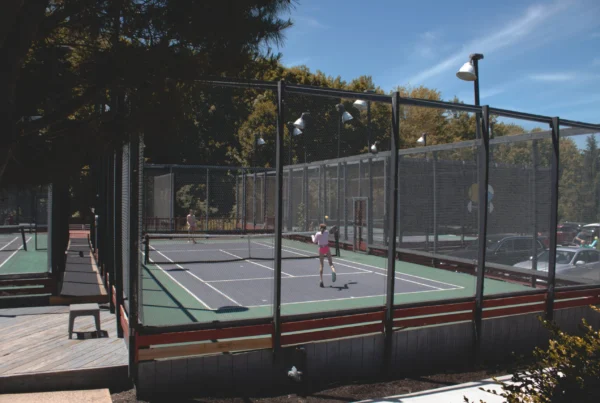
Location and court access are practical considerations, too. Chagrin Falls families looking for year-round play may want to ask about indoor options and the current schedule. The Wembley Club has eight indoor tennis courts in Chagrin Falls; check with the club about program availability and how court access works for a particular offering. You can explore the club’s membership information separately if you are also considering broader club access. Do not assume that facilities or membership details are the same at the club’s South Fayette location, which is a separate facility planned for Pennsylvania.
Think about the environment your child enjoys. Some families want a tennis-only lesson; others value being part of a club that brings several activities together. The Wembley Club is a private fitness and racquet sports club, not just a tennis facility, and its Chagrin Falls location also offers family and youth programming. Parents interested in the wider setting can review the family amenities and youth programming pages, then ask which offerings are relevant to their child’s age and interests.
How do you get started with kids tennis lessons in Chagrin Falls?
Start by describing your child’s age, prior experience, and what they hope to get from tennis. It is fine if the answer is simply “try something new.” Ask which current program is the best fit, what dates and times are available, and whether the child should visit or meet the instructor before signing up. If the family is exploring the club as a whole, a tour can help you understand the setting and ask questions in person.
Next, set a realistic first goal. It could be learning the court routine, making a few controlled contacts, or deciding whether your child wants to continue. Avoid judging the experience by one practice or comparing beginners with children who have played longer. When children feel supported, they are more likely to stay curious and keep building skills.
For current information about junior tennis programs, class placement, and next steps, contact The Wembley Club directly. We can help your family understand what is available at the Chagrin Falls, Ohio location and find a good way to explore the court.
Ask About Junior Tennis and Schedule a Tour
Frequently asked questions about kids tennis lessons
Does my child need a racquet before the first lesson?
Ask the program before buying equipment. Requirements may depend on the class and the child’s size. If you already have a racquet, confirm that it is appropriate to bring; if not, find out whether equipment is available for a first session.
Should parents watch the lesson?
Policies differ by program and class. Ask the instructor or club what observation looks like and where parents should wait. A child may feel more comfortable with a parent nearby, while another may focus better when the group is led independently.
How often should a beginner take lessons?
There is no one schedule that works for every family. Ask the program what it recommends for the child’s age and current experience, then consider school, other activities, and time to rest. Consistency can help, but the schedule should remain enjoyable and manageable.
Can a child start if they have never played tennis?
Yes. Beginner lessons are intended to introduce the game. Tell the club that your child is new so staff can recommend an appropriate starting point and explain what to expect.
Good kids tennis lessons should meet children where they are, make room for play, and help them grow confidence one step at a time. With the right introduction, tennis can become a skill and a source of fun that your child enjoys returning to.