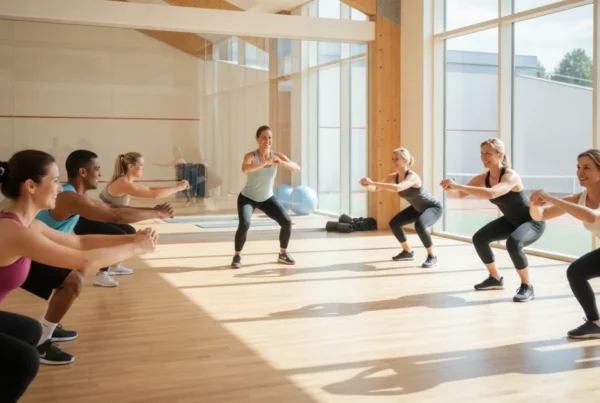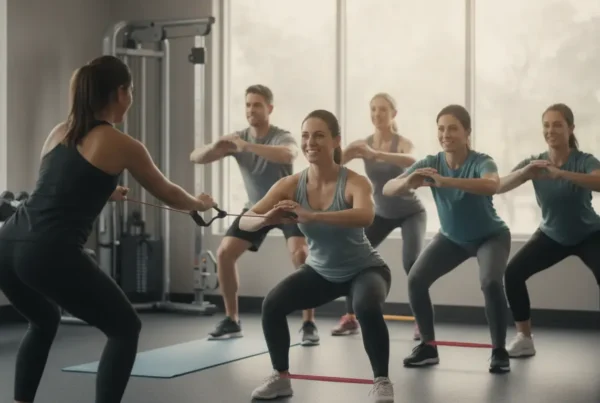

Let’s be honest: if your workout feels like a chore, you’re not going to stick with it for long. The best-kept secret in the world of fitness is that it’s supposed to be fun. Seriously! The key to building a lasting habit is to find an activity you genuinely look forward to. Maybe that’s the high-energy music in a group class, the friendly competition of a tennis match, or the social buzz of a pickleball game. When you’re laughing and connecting with others, you forget you’re even exercising. This guide is all about helping you discover your own version of fun fitness, so you can stop dreading your workouts and start looking forward to them.
Key Takeaways
- Redefine what fitness means to you: It’s not about being a pro athlete; it’s about having the energy for daily life and the strength to enjoy your hobbies. Focus on feeling good and capable in your own body.
- Build a well-rounded routine: True fitness isn’t just about cardio. Make sure your plan includes all five key areas: cardiovascular endurance, muscular strength, flexibility, body composition, and balance for a healthier, more resilient body.
- Make your habit stick with a plan and people: The secret to long-term success is consistency, not intensity. Start with a realistic schedule and find a workout buddy or group class to provide the fun and accountability that keeps you coming back.
What Does “Fitness” Really Mean?
Let’s clear something up right away: “fitness” isn’t just for marathon runners or professional athletes. At its core, physical fitness is simply about your body being healthy and capable. It’s about having the energy to get through your workday, play a game of pickleball with friends, and handle everyday tasks with ease. Think of it as your body’s ability to perform well, whether you’re at the gym or just living your life. You get there through a combination of regular exercise, good nutrition, and getting enough rest. It’s not about reaching some impossible standard; it’s about feeling good and strong in your own skin.
Fitness vs. Wellness: What’s the Difference?
You might hear the words “fitness” and “wellness” used together, but they aren’t exactly the same thing. Think of fitness as one important piece of a bigger puzzle called wellness. Fitness focuses on your physical health and capabilities, like your strength, endurance, and flexibility. Wellness, on the other hand, is the whole picture. It includes your physical health but also considers your mental and emotional state. While fitness is about how well your body can perform, wellness is about how you feel overall. The great news is that focusing on your fitness is a fantastic way to support your total well-being.
Why Fitness Matters Outside the Gym
The effort you put into your workouts pays off in every area of your life. Being physically fit means your body is better prepared to stay healthy and fight off diseases. When you exercise regularly, you’re building a stronger immune system, which can help you recover more quickly from illness or injury. But the benefits don’t stop there. Fitness is a huge helper for your mental health, too. It can improve your mood, reduce feelings of stress, and lead to better, more restful sleep. It’s about building a body that can not only carry you through a tough workout but also through a demanding day at the office.
The 5 Core Components of Physical Fitness
When we talk about “fitness,” it’s easy to picture just one thing, like running a marathon or lifting heavy weights. But true physical fitness is much more well-rounded. Think of it like a pizza with five different, equally delicious slices. To be truly fit, you need a little bit of each slice. Focusing on these five core components will make you stronger, healthier, and more resilient, both in the gym and in your everyday life. A balanced routine that touches on each of these areas is your ticket to feeling your absolute best.
Cardiovascular Endurance
This is all about the health of your heart and lungs. Cardiovascular endurance is your body’s ability to keep your muscles supplied with oxygen during activity that lasts more than a few minutes. Think about walking up a few flights of stairs without feeling totally breathless, or having the energy to play with your kids (or your dog!) at the park. Improving your cardio endurance is key for a healthy heart and amazing stamina. Activities like brisk walking, cycling, swimming, and high-energy group fitness classes are fantastic ways to get your heart pumping. The better your endurance, the more efficiently your body works, making everyday tasks feel that much easier.
Muscular Strength and Endurance
These two go hand-in-hand, but they aren’t the same thing. Muscular strength is the maximum force you can exert in one go, like lifting a heavy box when you’re moving. Muscular endurance, on the other hand, is your muscles’ ability to work over and over again without getting tired, like carrying your groceries all the way from the car. You need both for a functional, capable body. Strength training, whether with weights, resistance bands, or just your own bodyweight, builds both. This is what helps you power through a tough tennis match and still have the energy to carry your gear off the court.
Flexibility
Flexibility is simply the range of motion you have at your joints. It’s what allows you to bend over and tie your shoes, reach for something on the top shelf, or get low for a volley in pickleball without pulling something. Good flexibility is your best defense against injuries, and it helps relieve aches and pains. As we get older, our muscles can get tight, so making time for flexibility is crucial. You can improve it with a consistent stretching routine after your workouts. Activities like yoga and Pilates are also excellent for helping you stay limber and mobile, ensuring your body moves freely and without pain.
Body Composition
This component refers to your body’s ratio of fat mass to fat-free mass (which includes muscle, bone, and water). It’s a much more insightful measure of health than the number on the scale. For example, as you build strength, you might gain muscle and lose fat, so your weight might not change much, but your body composition is improving significantly. A healthier body composition often means a lower risk for certain health issues and better overall physical performance. Understanding your body composition can help you set more meaningful goals that go beyond just weight loss, focusing instead on building a stronger, healthier body from the inside out.
Balance and Coordination
Balance is your ability to stay upright and in control of your body’s position, while coordination is your ability to move two or more body parts together smoothly and efficiently. You use them every day, whether you’re walking on an uneven sidewalk or carrying a hot cup of coffee without spilling. In sports, they’re essential for the quick footwork in a cardio class or the precise swing of a tennis racquet. The great news is that both balance and coordination are skills you can improve with practice. Activities that challenge your stability, like single-leg exercises, yoga, or racquet sports, are perfect for sharpening these vital components of fitness.
What Are the Benefits of Regular Exercise?
Thinking about starting a fitness routine is one thing, but knowing why it’s so good for you can be the motivation you need to stick with it. The benefits of exercise go way beyond the mirror. It’s about feeling stronger, thinking clearer, and building a healthier life from the inside out. When you move your body regularly, you’re giving yourself a gift that pays off in countless ways, both today and for years to come.
How Exercise Transforms Your Body
One of the first things you’ll notice when you start exercising is a change in your energy levels. Regular movement makes your heart stronger and more efficient, which helps you feel more awake and capable throughout the day. Over time, consistent physical fitness helps your body manage its composition by building lean muscle and reducing excess fat. Cardio workouts like a fun group class or a game of pickleball are fantastic for heart health, while strength training helps you build the muscle that supports your metabolism and keeps you strong for everyday activities, like carrying groceries or rearranging your furniture.
Clear Your Head: The Mental Health Benefits
Exercise is one of the most powerful tools we have for managing stress and improving our mood. Think of it as a mental reset button. A good workout can help you shake off the tension from a long day and leave you feeling calmer and more centered. Physical activity is also known to help with feelings of anxiety and can lead to more restful sleep, which makes everything feel a little easier to handle. As you get stronger and more comfortable in your routine, you’ll likely notice a big change in your self-confidence that extends far beyond the gym walls.
Fitness for Life: The Long-Term Payoff
Making fitness a regular part of your life is a powerful investment in your long-term health. Consistent activity helps your body become more resilient, strengthening your immune system so you can better fight off germs and recover more quickly when you do get sick. It also plays a key role in preventing many chronic health issues that can arise from a sedentary lifestyle. By staying active, you’re helping your body manage inflammation and pain over time, keeping you mobile and feeling good for the long haul. It’s not just about adding years to your life, but adding life to your years.
Great Exercises to Get You Started
Ready to move? The best workout is one you’ll actually do, so the key is to find something you enjoy. Forget about what you think you should be doing and focus on what sounds fun. Whether you’re looking for a solo session to clear your head or a social activity to share with friends, there are plenty of ways to get your heart pumping. Here are a few great starting points to help you find your footing and build a routine that feels good for your body and mind.
Easy on the Joints: Low-Impact Cardio
If the thought of high-impact exercises like running makes your knees ache, you’re in luck. Low-impact cardio is a fantastic way to build cardiovascular endurance without putting extra stress on your joints. Activities like using an elliptical machine, swimming, or cycling get your heart rate up gently and effectively. An elliptical machine is especially great for beginners because it provides a full-body workout, engaging your arms, legs, and core all at once. It’s a smooth, comfortable way to improve your fitness and burn calories while being kind to your body.
Build Strength with Just Your Body
You don’t need a rack of heavy weights to build strength. In fact, your own body is one of the most effective tools you have. Simple but powerful movements like squats, lunges, and push-ups are some of the best beginner-friendly strength training exercises you can do. These exercises work multiple muscle groups at the same time, which helps you build functional fitness. That’s just a simple way of saying you’re building strength that makes everyday activities, like carrying groceries or lifting a suitcase, feel much easier. Start with a few repetitions and focus on good form.
Stay Limber with Flexibility and Mobility
Think of flexibility and mobility as your body’s best defense against injury. Taking a few minutes to warm up before your workout and cool down afterward makes a huge difference. A dynamic warm-up, which involves active movements like arm circles and leg swings, prepares your muscles for exercise. After your workout, a cool-down with static stretches (holding a stretch for 20-30 seconds) helps improve your flexibility over time. Making this a non-negotiable part of your routine is one of the best things you can do to support your overall fitness and keep your body feeling great.
Why Group Fitness is a Game-Changer for Beginners
Starting a fitness routine can feel a little intimidating, but you don’t have to do it alone. Group fitness classes are an amazing way to get moving in a fun and supportive environment. When you’re surrounded by people with similar goals, it’s easier to stay motivated and push yourself. Plus, the instructor is there to guide you through every step, ensuring you’re moving safely and effectively. From high-energy dance classes to calming yoga sessions, there’s a group fitness class for every personality. It’s a perfect way to find your community and make fitness feel like a party.
Have Fun, Get Fit: Tennis and Pickleball
Who says a workout has to feel like work? If you’re looking for a way to get fit while having a blast, look no further than the court. Sports like tennis and pickleball are incredible full-body workouts that also challenge your mind with strategy and skill. Learning a new sport is a great way to keep your fitness routine fresh and exciting. You’ll be so focused on the game and having fun with your opponent that you’ll forget you’re even exercising. It’s the perfect way to combine fitness with a little friendly competition and connect with your community.
How to Build a Fitness Routine That Works
The secret to a successful fitness routine isn’t about having the most intense workouts or spending hours at the gym every day. It’s about one thing: consistency. The best routine is the one you’ll actually do, week after week. Creating a plan that fits your real life is the key to turning exercise from a chore into a habit you look forward to. It can feel like a big task, but breaking it down into a few simple steps makes it completely manageable. Let’s walk through how to build a routine that truly works for you.
Set Clear, Realistic Goals
Okay, first things first. Before you even think about what exercises to do, let’s talk about your goals. And I mean realistic ones. If you haven’t been working out at all, please don’t decide you’re going to hit the gym six days a week. That’s a recipe for burnout. Instead, be honest about how much time you can truly commit. Maybe that’s two or three workouts a week. Perfect! Your initial goal can simply be to show up for those two or three sessions. You can always add more later. The idea is to build a sustainable habit, not to go all-out for a week and then quit. Your goal is your “why,” so make it something that feels achievable and motivating.
Plan Your Weekly Schedule
Once you have your realistic goal, it’s time to pull out your calendar. A workout is much more likely to happen if you schedule it like any other important appointment. Look at your week and block out the specific days and times you’ll exercise. Getting specific helps even more. Instead of just writing “gym,” decide what you’ll do. Maybe Monday is a group fitness class, Wednesday is a pickleball match with a friend, and Friday is a strength circuit. Planning ahead removes the guesswork and makes it easier to just get up and go. When your workout time arrives, you won’t waste energy wondering what to do; you’ll already have a plan.
Track Your Progress and Celebrate Small Wins
Let’s be real: seeing major physical changes takes time. That’s why it’s so important to notice and celebrate the small victories along the way. These immediate rewards are what keep you going. Did you make it to all your planned workouts this week? Celebrate that! Did you hold a plank for five seconds longer or feel a little more energetic in the afternoon? That’s a win. Keep a simple log in a notebook or on your phone to track your progress. Seeing how far you’ve come is incredibly motivating. And when you hit a goal, reward yourself with something that makes you feel good, like a new workout playlist, a relaxing bath, or some new tennis gear.
Common Beginner Hurdles (and How to Clear Them)
Starting a fitness routine is exciting, but let’s be real, it can also feel like a lot. You might be worried about looking out of place, not knowing what to do, or losing steam after a few weeks. These feelings are completely normal. The key is to have a plan for these common roadblocks so they don’t stop you from reaching your goals. Think of it less as a test you have to pass and more as an experiment where you get to figure out what works for you.
Feeling Overwhelmed? Start Here.
If you’ve spent any time online looking for workout advice, you know there’s an endless sea of information. It’s easy to get stuck wondering if you’re choosing the “best” workout. Instead of searching for a perfect plan, ask yourself, “What’s a realistic plan for my life right now?” Before you do anything else, take a look at your calendar. How much time can you honestly set aside for exercise each week? Being practical from the get-go is the first step in starting your fitness journey on the right foot. It’s better to succeed at two workouts a week than to plan for five and feel defeated when life gets in the way.
Beating “Gymtimidation”
That feeling of being nervous or self-conscious at the gym has a name: “gymtimidation.” It happens to almost everyone. You walk in, see a bunch of complex machines and people who look like they live there, and suddenly you forget why you came. A great way to get past this is to remove the guesswork. Instead of wandering around on your own, try one of our group fitness classes. You’ll have a friendly instructor guiding you through every step, a fun playlist to keep you moving, and a whole room of people who are right there with you. It’s a fantastic way to learn new exercises in a supportive, judgment-free zone.
How to Stay Motivated When Progress Feels Slow
You’ve been consistent for a few weeks, but the scale hasn’t budged or you don’t see big changes in the mirror yet. It’s so easy to get discouraged. Remember that many of the best rewards from exercise, like having more energy and sleeping better, happen over time. While you wait for those long-term benefits to kick in, it’s important to stick to it by giving yourself immediate rewards. After you finish a workout, treat yourself. It doesn’t have to be anything big. It could be 30 minutes with a good book, a delicious smoothie, or an episode of your favorite show. Celebrating these small wins makes the process much more enjoyable.
Fitting Fitness into Your Busy Life
If you’re going from zero exercise to a new routine, be kind to yourself. It’s tempting to go all-in and plan to work out six days a week, but that’s a quick path to burnout. Instead, be real with where you are. Start with two or three days a week. The goal is to build a consistent habit, not to completely exhaust yourself. Find pockets of time that work for you and protect them. And remember, fitness doesn’t have to feel like a chore. If you find an activity you genuinely love, like a fast-paced game of pickleball or a dance class, you’ll be more likely to make time for it.
Busting Common Fitness Myths
The fitness world is full of advice, and not all of it is helpful. You see it on social media, hear it from well-meaning friends, or absorb it from old-school gym culture. These “rules” can make getting started feel like trying to solve a puzzle with half the pieces missing. They create pressure to follow a perfect plan, and when you can’t, it’s easy to feel discouraged and give up entirely. You might start to believe that you’re doing everything wrong or that getting fit is an impossible task reserved for a select few.
Let’s take a deep breath and clear the air. The truth is, fitness is deeply personal. There is no single “right” way to do it. Building a healthy, sustainable routine is about finding what works for your body, your schedule, and your goals. Getting past these common misconceptions is a huge step toward building a positive relationship with exercise. Instead of chasing an unrealistic ideal, you can focus on the facts and feel confident on your own path. We’re going to tackle some of the biggest myths head-on, so you can focus on what really matters: moving your body in a way that feels good and brings you joy.
“You have to work out every day to see results”
This is one of the most common and intimidating myths out there. The “all or nothing” mindset can lead to burnout and injury before you even get a chance to build momentum. Your body needs time to recover and repair itself; that’s when your muscles actually get stronger. If you’re new to exercise, jumping into a daily routine is not the answer.
Instead, a great guide for beginners suggests starting with two or three workouts a week. This gives your body the chance to adapt and get stronger without feeling overwhelmed. Listening to your body and incorporating rest days is a crucial part of any successful fitness plan. Consistency is more important than intensity, especially at the beginning.
“Cardio is the only way to lose weight”
Running on the treadmill for hours isn’t the only path to weight loss. While cardiovascular exercise is fantastic for your heart and can help you burn calories, it’s only one piece of the puzzle. A well-rounded fitness plan that includes different types of movement is far more effective and sustainable in the long run. Focusing only on cardio can lead to repetitive stress injuries and boredom.
A step-by-step beginner routine should also include strength training to build muscle and flexibility exercises to prevent injury. Muscle tissue burns more calories at rest than fat tissue, so building strength can actually help your metabolism. The goal is to find activities you enjoy so you can build a consistent habit.
“Strength training will make you bulky”
This myth has kept too many people, especially women, away from the weight room for far too long. The reality is that building large, bulky muscles is incredibly difficult. It requires a very specific and intense training regimen, along with a specialized diet. For the average person, strength training won’t make you bulky; it will make you strong, toned, and confident.
Lifting weights helps improve your body composition by building lean muscle and reducing body fat. It also strengthens your bones, improves your posture, and makes everyday activities easier. A good beginner workout plan will incorporate strength training in a way that helps you build a solid foundation. So go ahead and pick up those weights; you’ll be amazed at what your body can do.
“Fitness is only for young people”
Fitness has no age limit. The idea that working out is a young person’s game is completely false and can be harmful. Staying active is one of the best things you can do for your health at any age, helping you maintain independence, prevent chronic disease, and improve your quality of life. The key is to find activities that are safe and enjoyable for you.
It’s never too late to start exercising. Whether you’re in your 20s or your 70s, your body can adapt and grow stronger. From low-impact activities like swimming and pickleball to gentle strength training and group fitness classes, there are endless options. The most important thing is to listen to your body and choose movements that make you feel capable and energized.
Team Up or Go Solo: Group vs. Individual Workouts
Deciding between a group fitness class and a solo session at the gym can feel like a big choice, but the good news is there’s no wrong answer. Both paths offer unique benefits, and the best one for you might change from day to day. Understanding what each style brings to the table can help you build a routine that keeps you excited to show up.
The Power of a Workout Community
There’s a special kind of energy in a room full of people working toward a common goal. Group fitness classes offer more than just a structured workout; they provide a sense of belonging. When you work out alongside others, you create meaningful social connections that make the gym feel less like a chore and more like a community hub. High-fiving your neighbor after a tough set or sharing a laugh over a tricky new move turns exercise into a shared experience. This is what keeps people coming back, creating a positive and supportive atmosphere where everyone feels welcome.
Built-In Accountability and Motivation
It’s one thing to skip a workout you only planned in your head. It’s another thing to bail when you know your instructor and classmates are expecting you. This built-in accountability is a huge advantage of group workouts. A little friendly competition can also push you to hold that plank a few seconds longer or add a little more weight. Many people find they work harder in a group setting than they would on their own. This shared drive helps turn individual efforts into collective wins, making it easier to stay consistent and motivated to reach your goals.
Choosing the Right Path for You
Starting a fitness routine can feel overwhelming, and sometimes the quiet focus of a solo workout is exactly what you need. Individual workouts give you the freedom to go at your own pace, concentrate on your form, and enjoy some valuable “me time.” However, if you’re a beginner, the structure of a group class can be a fantastic starting point. An instructor guides you through every step, ensuring you’re moving safely and effectively. The best approach is often a mix of both. Try one of our group fitness classes to feel the energy, then schedule a solo session to work on your personal goals.
How to Make Fitness a Habit That Sticks
The hardest part of fitness isn’t the first workout; it’s the fiftieth. Showing up is half the battle, but turning that effort into a lasting routine is what truly changes your life. The secret isn’t finding a perfect workout plan, it’s building a habit that feels so natural you barely have to think about it. These simple strategies will help you move past short-term motivation and create a fitness habit that sticks for good.
Start Small and Build Consistency
When you’re excited to start a new fitness journey, it’s tempting to go all-in. But jumping from zero to working out five or six days a week is a recipe for burnout. Be real with where you are right now. If you currently don’t exercise at all, start with a goal that feels almost too easy, like working out two or three times a week. The point isn’t to exhaust yourself; it’s to build a rhythm. Each workout you complete is a small win that strengthens your new identity as someone who exercises. This consistency is the foundation for a strong and sustainable habit loop that will carry you forward long after the initial motivation fades.
Find Your Fitness Family
Working out alone can be tough, especially on days when you’d rather stay on the couch. That’s where community comes in. Finding your fitness family, whether it’s in a group class or with a workout buddy, provides a powerful source of accountability and fun. When people have endless options for fitness, what keeps them coming back is a sense of belonging. Meaningful interactions and a great experience build loyalty and motivation. You’ll start looking forward to seeing friendly faces and sharing the experience together. Suddenly, exercise becomes less of a chore and more of a social hour, making it a part of your life you won’t want to miss. The benefits of group fitness extend far beyond the workout itself.
Choose a Gym That Feels Like Home
The right environment can make or break your fitness habit. You need a place that makes you feel comfortable, supported, and energized. Before you commit, take a tour and get a feel for the atmosphere. Does it feel welcoming or intimidating? Are the staff friendly and helpful? A great gym works to understand its members’ needs, from their fitness goals to their workout preferences, and creates an experience that fits them. Look for a club that offers programs and a schedule that align with your life. When your gym feels like a second home, a place where you’re genuinely happy to be, showing up becomes the easiest part of your day.
Frequently Asked Questions
How long should my workouts be if I’m just starting out? Forget the idea that you need to spend an hour at the gym to make it count. When you’re building a new habit, consistency is much more important than duration. A solid 20 to 30 minutes of focused movement is a fantastic starting point. This gives you enough time to warm up, complete your main exercises, and cool down without feeling completely overwhelmed. The goal is to finish your workout feeling energized and successful, not totally drained.
Do I need to cover all five components of fitness in every single workout? That would be a lot to pack into one session, so definitely not. A better approach is to think about balancing the components throughout your week. For example, you might focus on cardiovascular endurance in a group class on Monday, work on muscular strength and endurance on Wednesday, and then play a game of pickleball for balance and coordination on Friday. You can then sprinkle flexibility into your cool-downs after each session. This makes your routine varied and much more manageable.
I like the idea of strength training, but what results should I expect besides just getting stronger? This is a great question because the benefits go far beyond just lifting heavier things. As you build lean muscle, you’ll likely notice that your clothes fit differently and you have a more toned appearance. Strength training also helps strengthen your bones and improve your posture. More importantly, you’ll find that daily tasks, like carrying groceries or lifting a suitcase into an overhead bin, become significantly easier. It’s about building a body that is more capable and resilient for everyday life.
What if I’m too nervous to even try a group class? That feeling is completely valid, and you are not alone. If a group class feels like too big a first step, try going to the gym during a less busy time, like mid-morning or early afternoon, to get comfortable with the space. You could also start with a solo workout on a user-friendly machine like an elliptical. Another great option is to book a single session with a personal trainer who can show you a few key exercises, which can make you feel much more confident navigating the gym on your own.
You mentioned fitness is part of wellness. Can you give a real-life example? Absolutely. Imagine you have a stressful day at work. You could go home and sit on the couch, letting that tension build up. Or, you could go play a game of tennis. The physical act of the workout (the fitness part) helps your body process the stress hormones. The focus of the game clears your head, and the social connection with your opponent lifts your mood. You leave feeling not just physically tired in a good way, but also mentally clearer and emotionally lighter. That complete feeling of well-being is wellness in action.