What Is a Pilates Reformer? A Complete Guide
From the Wembley archive. This article reflects its original publication date. For current club programs and membership details, contact the team.
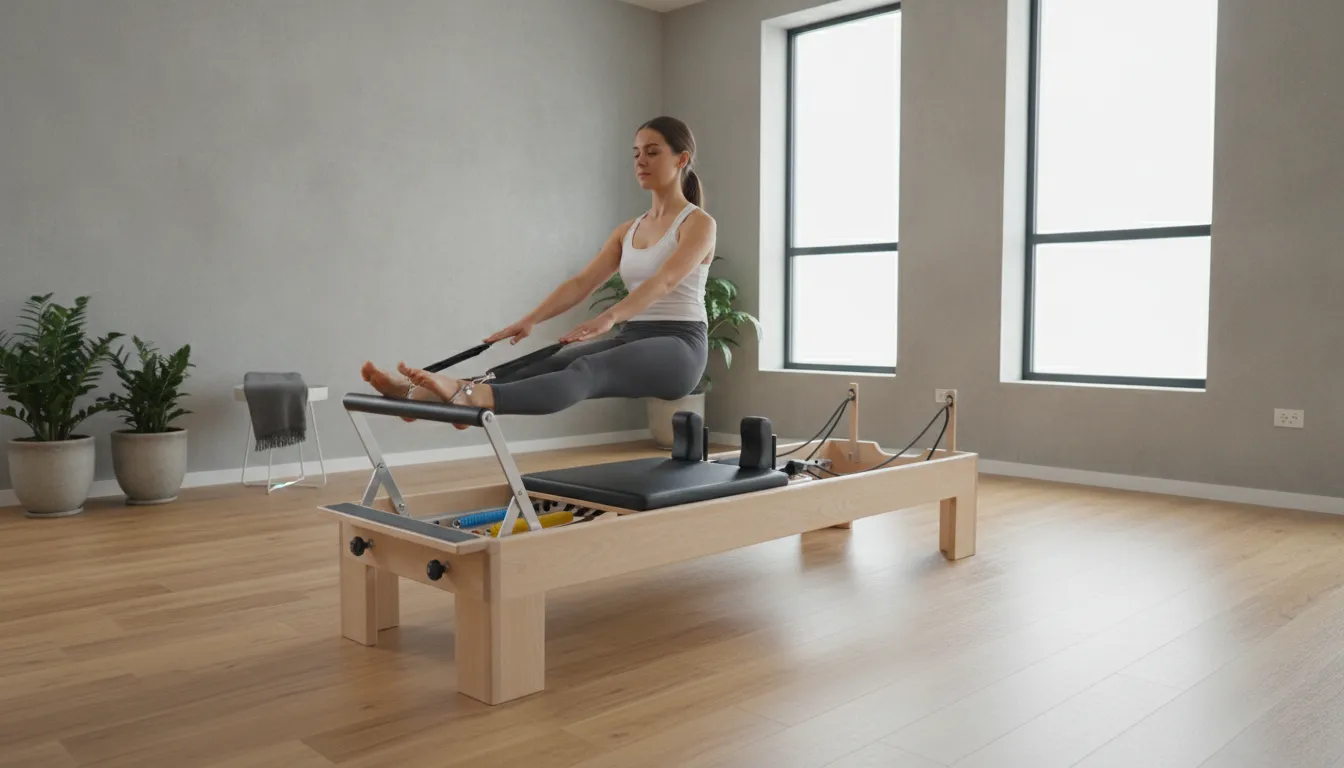
For anyone who loves spending time on the tennis or pickleball court, finding a workout that improves your game while preventing injury is key. You need core stability for powerful swings, balance for quick pivots, and flexibility to stay agile. This is where the Pilates reformer comes in. It’s a low-impact training tool that builds functional, full-body strength that translates directly to your performance on the court. This guide explains how a reformer workout can be your secret weapon for cross-training, helping you build a stronger foundation, improve your range of motion, and keep you playing at your best for years to come.
Key Takeaways
- The reformer is a versatile strength tool: It uses adjustable springs to challenge your muscles through a full range of motion, building lean muscle and core stability without stressing your joints.
- Prioritize quality when buying a reformer: A smart investment means choosing a machine with a sturdy frame, a smooth glide, and key adjustments to ensure your workouts are safe and effective.
- Find the right environment for your practice: Studio classes provide expert instruction and community support, while a home reformer offers the freedom to work out on your schedule. A hybrid approach can keep your routine fresh and your form sharp.
So, What Exactly Is a Pilates Reformer?
If you’ve ever peeked into a Pilates studio, you’ve probably seen them: elegant, bed-like machines that look both intriguing and a little intimidating. That’s a Pilates reformer. At its core, the reformer is a piece of equipment designed by Joseph Pilates to add resistance and support to a workout. It consists of a flat, cushioned platform called the carriage, which slides back and forth on a frame. Springs, ropes, and pulleys connect the carriage to the frame, allowing for a huge variety of controlled movements.
The beauty of the reformer is its versatility. It’s not just for advanced practitioners; it’s an incredible tool for all fitness levels. The springs can be adjusted to add more resistance for a strength challenge or less resistance to focus on stability and control. This adaptability makes it possible to create a workout that’s perfectly tailored to your body and your goals, whether you’re recovering from an injury, cross-training for a sport, or just looking for a new way to build strength and flexibility.
How Does It Work?
Using a reformer is a dynamic experience. You can perform exercises while lying down, sitting, kneeling, or even standing on the moving carriage. As you push or pull with your arms or legs, the carriage glides smoothly, challenging your muscles in a completely new way. The springs provide the resistance, and by changing the number or tension of the springs, your instructor can make an exercise easier or much more difficult.
This combination of a sliding platform and spring resistance does two key things. First, it helps you build strength through the full range of motion, something that’s hard to achieve with bodyweight exercises alone. Second, it constantly challenges your core to keep you stable on a moving surface. The result is a workout that offers a comprehensive array of physical and mental benefits, from improved muscle tone to better posture and joint mobility.
Reformer vs. Mat Pilates: What's the Difference?
The most obvious difference between reformer and mat Pilates is the equipment. Mat Pilates is performed on a mat on the floor, using your own body weight as resistance. The reformer introduces the apparatus, with its springs and straps, to add external resistance and support. A common Pilates misconception is that it’s just a stretching class, but both mat and reformer workouts are designed to build serious strength.
While you might think the machine makes the workout easier, that’s not always the case. The reformer’s springs can provide assistance, helping you maintain proper form and alignment, which is fantastic for beginners. However, they can also add significant resistance to make exercises more intense. Interestingly, many people find mat Pilates more challenging because you have to support and control your body without any external feedback from a machine. Both are amazing workouts; they just offer different experiences.
Why You'll Love Reformer Pilates
If you're looking for a workout that delivers noticeable results without putting stress on your body, Reformer Pilates might be your new favorite class. It’s a unique and effective way to exercise that feels both challenging and restorative. Whether you're a seasoned athlete or just starting your fitness journey, the reformer offers a special kind of workout experience. It’s not just about going through the motions; it’s about mindful movement that strengthens, lengthens, and leaves you feeling incredible. Let's get into some of the specific reasons people get hooked.
Build Full-Body Strength and Tone
One of the best things about the reformer is its ability to deliver a true full-body workout. The machine’s spring-based resistance is adjustable, so you can make exercises easier or harder depending on your goals. As you push and pull the carriage, your muscles have to work against that resistance, which is fantastic for building strength. Because the movements often involve multiple muscle groups at once, you’re getting an efficient workout that helps improve muscle tone from head to toe. You’ll work muscles you didn’t even know you had, creating a balanced strength that supports you in everything you do.
Improve Core Stability and Posture
A strong core is the foundation of all movement, and the reformer is an amazing tool for building it. The sliding carriage and adjustable springs constantly challenge your deep abdominal muscles and the stabilizers in your trunk. This targeted work is key to developing better posture and achieving optimal spinal alignment. For anyone who plays tennis or pickleball, a stable core is a game-changer, providing power and control for every swing and pivot. Even if you’re just sitting at a desk all day, you’ll notice the difference as you start to sit and stand taller with more confidence.
Increase Flexibility and Range of Motion
Feeling tight and stiff? The reformer can help with that, too. The sliding platform allows your body to move through a wider range of motion than you might achieve on a mat. This gentle gliding action encourages your joints to open up and your muscles to lengthen, which is essential for improving overall flexibility. This increased joint flexibility and mobility not only feels great but also helps reduce your risk of injury, whether you're on the court or just going about your day. You’ll find yourself moving with more freedom and ease.
Enjoy a Low-Impact, Joint-Friendly Workout
If high-impact workouts like running or jumping aren't for you, you'll appreciate the gentle nature of the reformer. The system of springs and pulleys supports your body and takes pressure off your joints, making it an ideal low-impact exercise. This makes it a perfect choice for anyone dealing with joint sensitivity or recovering from an injury. It’s also a fantastic form of active recovery for athletes looking to build strength without adding more stress to their bodies. You get all the benefits of a tough workout without the wear and tear.
Is a Reformer Right for You?
One of the best things about the Pilates reformer is its incredible versatility. It’s not just for one type of person or fitness level. Whether you’re stepping into a studio for the first time or you’re a seasoned athlete looking to level up your game, the reformer has something to offer. The machine’s unique design of springs, straps, and a sliding carriage allows it to meet you exactly where you are on your fitness journey. It provides support when you need it and adds resistance when you’re ready for a challenge, making it a fantastic tool for just about everyone.
Perfect for Beginners
If you're new to Pilates or even new to working out, the reformer is an amazing place to start. It might look a little intimidating, but it’s actually incredibly beginner-friendly. The sliding carriage supports your body, which helps you maintain proper form and alignment as you learn the movements. The springs provide adjustable resistance, so you can start with a lighter load and gradually increase it as you get stronger. This means you can build a solid foundation safely and effectively, all while getting a feel for how your body moves. It’s a supportive and controlled environment to begin your Pilates practice.
A Challenge for Intermediate and Advanced Levels
Think the reformer is just for stretching? Think again. If you already have a consistent fitness routine, the reformer is an excellent way to add a new dimension to your workouts. You can dial up the intensity by increasing the spring resistance, forcing your muscles to work harder and build serious strength. The exercises can be modified to challenge your stability, coordination, and endurance in ways that mat workouts or traditional weightlifting can’t. It’s a full-body workout that focuses on creating long, lean muscle tone, making it a perfect challenge for experienced exercisers looking to refine their strength and control.
A Great Tool for Athletes and Cross-Training
Athletes, this one’s for you. The reformer is a secret weapon for improving performance and preventing injuries. Tennis and pickleball players can benefit from the focus on core strength, balance, and unilateral (one-sided) movements that mimic the actions you make on the court. It’s a form of active recovery that helps improve flexibility and mobility in your hips and shoulders, which can reduce your risk of sports-related injuries. The low-impact nature of the workout also makes it a great option for anyone dealing with chronic issues like back pain, as it strengthens supporting muscles without putting stress on your joints.
Getting to Know the Different Types of Reformers
When you first step into a Pilates studio, you might think a reformer is a reformer. But as you look closer, you’ll notice they come in a few different styles, each with its own unique flair. Think of it like choosing your favorite racquet for a match; the one you pick can change the game. The main differences between reformers come down to their features and attachments, which open up a whole new world of exercises. Some are designed to be incredibly versatile for group classes, while others are specialized for deep stretching or rehabilitation.
Understanding the different types can help you know what to expect in a class or what to look for if you’re considering buying one for your home. It’s not about one being better than the other, but about finding the right fit for your body and your fitness goals. Whether you’re looking for a machine that can do it all or one that’s perfect for a small apartment, there’s a reformer out there for you. Let’s walk through the most common types you’ll encounter.
The Standard Reformer
This is the classic machine you’ll find in most Pilates studios, and for good reason. The standard reformer is incredibly versatile and the foundation of most reformer workouts. It features a sliding carriage that moves back and forth, adjustable springs for resistance, and straps for your hands and feet. This simple yet brilliant design allows for a huge range of exercises that can build core strength, improve flexibility, and challenge your entire body. It’s the perfect all-rounder, supporting everything from gentle rehabilitation movements to intense, athletic conditioning. If you’re just starting your Pilates journey, this is likely the first reformer you’ll meet.
The Reformer with Tower
Take a standard reformer and give it a major upgrade, and you get the Reformer with Tower. This hybrid machine adds a vertical frame, or "tower," to one end of the reformer, complete with its own set of springs, bars, and loops. This addition significantly expands your exercise options, essentially giving you a two-in-one piece of equipment. The tower allows you to perform exercises you’d typically do on a Cadillac (more on that next), including standing movements, pull-downs, and a wider variety of arm and leg work. It’s a fantastic option for studios and home users who want more versatility without needing the space for multiple machines.
The Cadillac Reformer
The Cadillac is the grand, luxurious king of Pilates equipment. It looks a bit like a four-poster bed with a variety of springs, bars, and even a trapeze attached to its frame. Unlike a standard reformer, the Cadillac has a stationary mat instead of a sliding carriage, making it an incredibly stable surface for complex movements. It’s designed for everything from advanced rehabilitation and physical therapy to deep stretching and total-body workouts. Because of its size and specialized nature, you’ll often find the Cadillac used in private sessions where an instructor can guide you through highly specific and controlled exercises.
Foldable and At-Home Reformers
Want to practice Pilates at home but don’t have a dedicated gym space? A foldable reformer might be your new best friend. These machines are designed with convenience in mind, offering a great workout while being easy to store. As the name suggests, they can be folded up and tucked away in a closet or under a bed. While they may not have the same heavy-duty build or extensive features as professional studio models, the best at-home reformers are perfect for maintaining a consistent practice. They are typically more lightweight and budget-friendly, making Pilates more accessible than ever.
Studio Classes vs. a Home Reformer: Which Is Right for You?
Deciding between taking studio classes and buying your own reformer is a big step. Both paths offer incredible benefits, but the right choice depends on your budget, lifestyle, and what motivates you to move. Think about what you need most in your fitness routine: is it the guidance of an expert and the energy of a group, or the freedom to work out whenever you want? Let’s break down the pros of each so you can find the perfect fit for your Pilates journey.
Why We Love Studio Classes
There’s a special kind of energy you only find in a group fitness class. For many of us, that community vibe is a huge motivator. In a studio, you get real-time feedback from a certified instructor who can correct your form and make sure you’re moving safely and effectively. This guidance is priceless, especially when you’re new to the reformer. An instructor will guide you through exercises while you're lying down, sitting, or standing, ensuring you get the most out of every movement. Plus, you get to use professional-grade equipment without the hefty price tag and maintenance. It’s a fantastic way to learn Reformer Pilates and build a strong foundation.
The Perks of Owning Your Own Reformer
If your schedule is packed or you simply prefer working out alone, a home reformer can be a game-changer. The biggest perk is convenience. You can hop on your machine for a quick session before work, during your lunch break, or late at night without ever leaving the house. Over time, it can also be more cost-effective than paying for individual classes, especially if you practice several times a week. Owning a reformer gives you the freedom to create a consistent, low-impact training routine that fits your life perfectly, helping you build strength and prevent injury on your own terms.
The Best of Both Worlds: A Hybrid Approach
You don’t have to choose just one. A hybrid approach can give you the structure of a class and the flexibility of home workouts. You could attend a studio class once a week to learn new moves, get personalized corrections, and enjoy the social atmosphere, then supplement with shorter sessions at home. This method is great for keeping your routine interesting and challenging your body in different ways. Since the reformer is so versatile and suitable for all fitness levels, combining instructor-led classes with personal practice can help you progress faster and stay committed to your goals long-term.
Related Articles
- Reformer Pilates Benefits: Why You’ll Love This Full-Body Workout
- An Introduction to Reformer Pilates: The Unique Benefits and History
- 8 Common Pilates Myths, Busted
- Pilates Reformer Machines for Professional Studios
- 2022 Pilates Reformer Buyer’s Guide: How to Choose the Best Pilates Reformer for Your Needs, Fitness Goals, and Studio Space
Frequently Asked Questions
I'm a total beginner when it comes to fitness. Is reformer Pilates too advanced for me? Not at all, it's actually a fantastic place to start. The machine itself provides support, helping you learn the movements with proper form right from the beginning. The spring resistance is adjustable, so your instructor can set it to a level that assists you rather than challenges you. This controlled environment helps you build foundational strength and confidence safely.
I play a lot of tennis and pickleball. How will reformer Pilates specifically help my game? Reformer Pilates is a secret weapon for racquet sports players. It builds deep core strength, which is the source of your power for serves and groundstrokes. The exercises also improve rotational control and stability, helping you pivot and change direction with more efficiency. Plus, it increases flexibility in your hips and shoulders, which can help prevent common injuries on the court.
Should I master mat Pilates before I try a reformer class? You can absolutely start with either one. Some people find the reformer is a great introduction because the machine's springs and straps can assist your body and guide you into the correct positions. Others prefer to start on the mat to master the fundamentals using only their body weight. Neither is a prerequisite for the other, so feel free to jump into whichever class format excites you the most.
I'm thinking about buying a reformer for my home, but how will I know what exercises to do? That's a common and valid concern. Luckily, there are tons of resources available. Many brands offer their own streaming services with guided classes for all levels. You can also find countless high-quality workouts on platforms like YouTube. A great strategy is to take a few studio classes first to learn the basics and proper form from an instructor before you start practicing on your own.
Is reformer Pilates just stretching, or will it actually help me build muscle? While you will definitely improve your flexibility, reformer Pilates is a serious strength-building workout. The spring system provides resistance that your muscles have to work against, which is how you build long, lean muscle tone. By adjusting the springs, you can make the exercises incredibly challenging. You'll work your entire body, especially your core, and will likely feel muscles you never knew you had.