Personal Training for Athletes: What to Look For
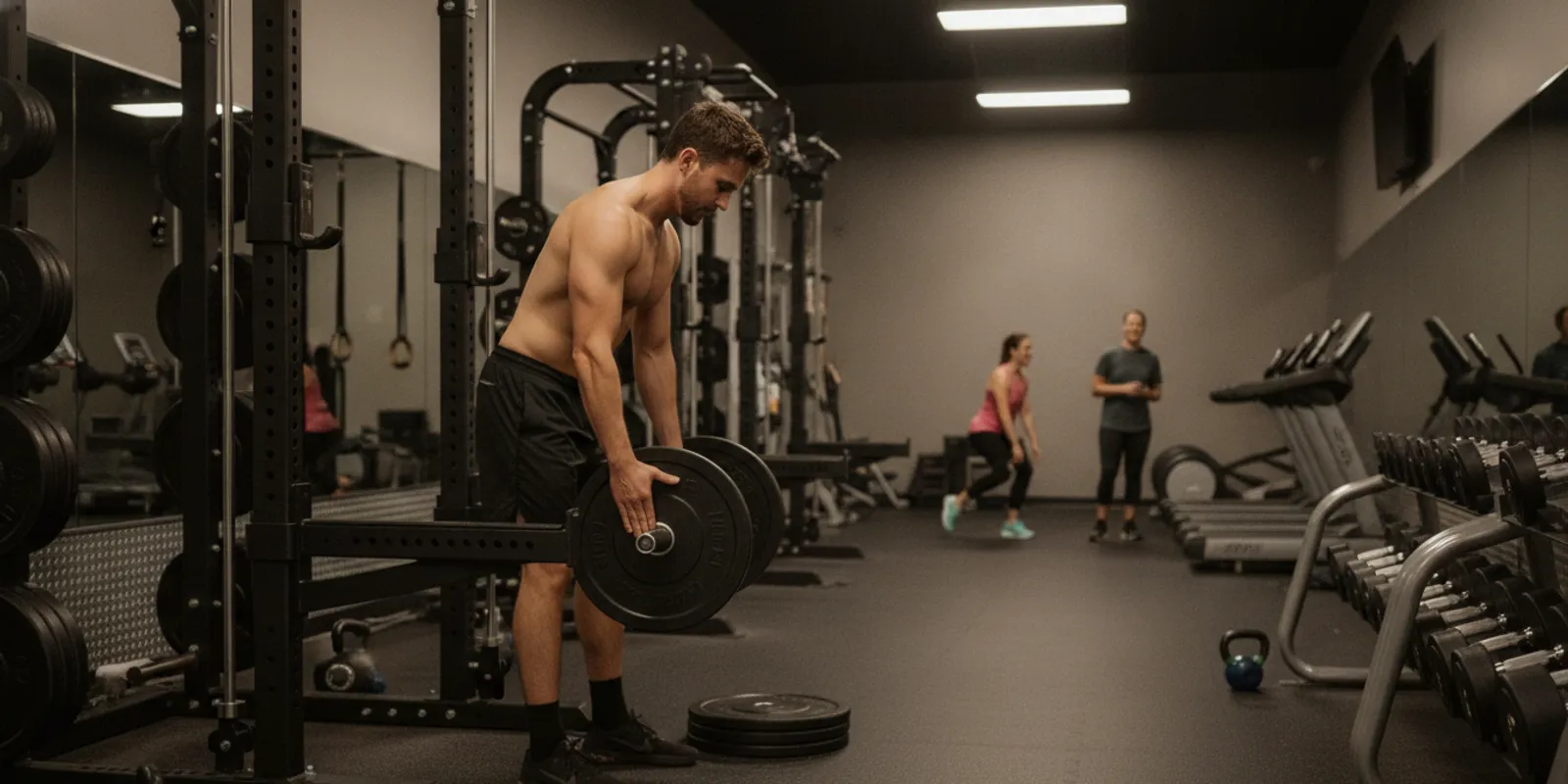
Personal training for athletes can provide a focused way to build fitness around the demands of a sport. The right fit begins with clear goals, honest questions, and a plan that respects your experience and schedule. At The Wembley Club in Chagrin Falls, Ohio, one-on-one personal training and customized fitness planning are available in a welcoming fitness and racquet sports club. Explore athlete fitness coaching as you consider your next step.
What should athletes look for in personal training?
Start with the fit between your needs and the support being offered. A useful conversation should help you explain what you want to work on and learn what the trainer can provide. Do not assume general fitness automatically includes sport-specific coaching, a particular performance method, or a promised result. Ask directly.
Consider these points before choosing:
- Your goal: Name the change you want, such as building general strength, creating a consistent routine, or complementing a sport season.
- Your sport calendar: Explain when you practice or compete and how much time you can give to additional training.
- Your starting point: Share your current activity, relevant limitations, and what you have already tried.
- Coaching fit: Ask about the trainer’s experience with your goals, how plans are customized, and how progress is discussed.
- Practical details: Confirm scheduling, pricing, and any policies directly with the club.
These questions help distinguish a good match from a plan that sounds impressive but does not fit your life. A coach should be able to explain the scope of the service without promising a specific athletic outcome.
How can you describe your sport and goals?
“I want to get stronger” is a reasonable starting point, but it may not tell a trainer enough about what you hope to do. Add context. A recreational tennis player, for example, might want a consistent fitness routine alongside court time. A runner might want to discuss general strength work that fits around weekly runs. These are examples of topics to raise, not guarantees that a particular sport-performance program is offered.
Before an introductory conversation, jot down a few notes:
- What activity or sport do you care about?
- What would you like to improve or make more consistent?
- How often are you currently active?
- What does a typical week look like?
- Are there concerns or restrictions a trainer should know before discussing exercise?
Keep the goal specific enough to discuss and flexible enough to refine. “I want to feel more prepared for my tennis season” opens a useful conversation. You can then ask whether the trainer’s experience and available approach fit that aim. Wembley offers tennis programs, including instruction, drills, and USTA teams; learn about tennis in Chagrin Falls if court play is part of your routine.
How do sport demands change your planning?
An athlete’s week is rarely just a list of workouts. It may include practice, games, travel, school or work, and periods when the sport schedule changes. Before adding training, make an honest inventory of those demands. This does not require a sophisticated tracking system. A calendar and a few notes can show where you have time, when you already work hard, and when recovery matters.
For example, a recreational tennis player with two evening matches might have limited energy for additional sessions on those days. A runner preparing for an event may already have a weekly plan from a coach. In either case, explain the existing routine before discussing extra fitness work. Ask what information the trainer needs to understand your schedule, and confirm how the proposed service would fit alongside your sport. Do not assume a trainer will replace a sport coach or coordinate with one unless that has been explicitly discussed.
Think in phases rather than treating every week as identical. Your available time may change between an active season and an off-season. A plan that is manageable during a quieter period might not suit a week with several competitions. Bring those changes up early. The goal of the conversation is to find a realistic approach, not to commit to more work than you can consistently manage.
It can help to bring a short written outline of a typical week: activity days, approximate duration, and any known upcoming busy stretches. Keep the information factual and revise it when the schedule changes. A trainer can then respond to the context you provide, while you can ask what adjustments are possible within the service. Assessment and scheduling options can change, so confirm the process and current availability directly with the club.
Which questions help you evaluate a coach?
Credentials, experience, communication, and realistic expectations all matter. Ask who will work with you, what relevant background they have, and how they approach customized fitness planning. The club information confirms one-on-one personal training and customized fitness planning, but it does not specify an athlete-only methodology or personal-training credentials. Use your conversation to establish whether the service fits your needs.
- What kinds of goals do you commonly help clients work toward?
- How do you adapt fitness planning to a person’s experience and schedule?
- How do you communicate progress and discuss changes to a plan?
- What should I tell you about my sport, calendar, or limitations?
- What are the current session arrangements and pricing?
Look for clear answers rather than sweeping promises. No trainer can responsibly guarantee that a program will prevent injury, deliver a specific result, or replace instruction from a qualified medical professional. If you have an injury or health concern, seek appropriate clinical guidance and ask what information the trainer needs before you exercise. The CDC’s physical activity guidance for adults offers general recommendations, but individual needs and medical advice can differ.
At Wembley, the Chagrin Falls fitness facility includes The Arena, a 15,000-plus-square-foot space, with TechnoGym equipment and a Styku 3D body composition analyzer that can support member assessments. Ask how the facilities or tools might apply to your goals; do not assume a scan alone defines progress. Explore the club’s fitness programs and equipment and club staff information. Ask about the specific coach’s experience and qualifications rather than inferring them from other staff roles.
What can progress look like without a guarantee?
Progress is not one universal number. It may mean following a routine more consistently, feeling more comfortable with selected exercises, or being able to discuss a plan with greater clarity. Those are examples of possible personal goals, not promised outcomes. Before starting, ask how you and the trainer will talk about progress and whether the approach suits the goal you named.
Some people like written notes about sessions and how they felt afterward. Others prefer a simple calendar showing when they completed planned activity. If a body-composition assessment is relevant to your goals, ask what it measures, how results will be discussed, and whether it is optional. A Styku scan can support member assessments at the club, but a single measurement does not tell the whole story of an athlete’s health or sport performance.
Agree on a sensible way to revisit the plan. You might discuss whether the schedule still works, whether your sport calendar changed, and what questions have come up. Avoid treating any one metric as a verdict on your effort. Useful feedback is specific, understandable, and appropriate to the service’s scope. If a goal changes, say so; the original plan may no longer be the right reference point.
How does one-on-one training compare with group classes?
One-on-one training and group fitness can serve different purposes. Individual sessions provide a setting to discuss your goals and customized fitness planning. A group class gives you a scheduled format and a shared experience with other members. Neither is automatically right for every athlete. Your schedule, preferences, and the support you want should guide the decision.
| Option | May suit you if | What to confirm |
|---|---|---|
| One-on-one personal training | You want individualized attention and to discuss a customized plan. | Trainer fit, session arrangements, pricing, and how the plan relates to your goals. |
| Group fitness class | You enjoy a set class format and exercising with others. | Class schedule, format, and whether it suits your experience and needs. |
| Sport practice or instruction | You want to spend time on sport skills or court play. | Available programs, instruction options, schedule, and any separate costs. |
Wembley offers more than 85 weekly classes across over 40 formats, including strength training, boxing, HIIT, TRX, bootcamp, cycling, yoga, and Pilates. See current group fitness options. Athletes who play racquet sports can also review racquet sports at Chagrin Falls and the club’s pickleball offerings.
A group class can be a way to add a scheduled activity, but it is not automatically a substitute for individualized planning. Likewise, individual sessions may not cover sport instruction. Ask what each option includes, how availability is handled, and whether you can combine activities. If the goal is to practice tennis technique, for instance, ask about tennis instruction separately from personal training. Wembley’s tennis programs include private lessons and group drills; confirm current details with the club.
How can you fit training around sport?
Start by mapping your real week. Include practices, matches, work, school, rest, and other commitments. Then discuss where additional fitness work could fit without turning every day into a hard training day. An athlete’s calendar changes through the year, so the conversation may need to change too.
Keep the first planning conversation practical. Ask how often you might meet, how the plan could evolve with your schedule, and what to do if a busy week disrupts your routine. Do not assume a particular frequency or workout structure is required. Your trainer can discuss available options, while you remain responsible for sharing relevant feedback and constraints.
Recovery and health are part of sensible planning. If pain, illness, or a medical condition affects your activity, tell the trainer and consult a qualified healthcare professional as appropriate. Personal training is fitness support, not medical diagnosis or treatment. A good plan should account for what you can safely do, rather than encouraging you to ignore warning signs.
Consider a simple planning example: if your sport practice is on Tuesday and Thursday, list those sessions first. Mark other fixed commitments, then note available windows without assuming every open slot must become a workout. When talking with a trainer, ask which options fit your stated goal and what you should do when the week changes. This keeps the discussion grounded in your actual life rather than an idealized schedule.
What should you compare before making a decision?
Make a short comparison based on what matters to you. You do not need the most complicated plan or the facility with the longest equipment list. Consider whether the communication is clear, whether the location and schedule work, and whether the service can address your stated goals.
- Location: The Wembley Club’s operating fitness facility is in Chagrin Falls, Ohio. Confirm that the drive works for your routine.
- Personalization: Ask how customized fitness planning is handled and what information helps shape it.
- Facilities: Ask which equipment or assessment resources are available and relevant to your goals.
- Costs and terms: Request current details directly; personal-training rates are not published in this guide.
- Other activities: Decide whether classes or racquet sports are useful additions to your routine.
Wembley also provides nutritional coaching and customized fitness programs. Ask what each service includes and whether it fits what you are seeking. You can review membership information and contact the club for current details. The club has no initiation fee, no yearly commitment, and no dining minimum; membership is month-to-month with 30-day cancellation notice. Treat those membership terms as context, not as a substitute for checking whether membership or a particular activity is the right fit. Pricing may differ by location and is disclosed in direct conversations.
To compare options fairly, write down the same questions for each service you are considering. Note the goal it addresses, the schedule it requires, the person delivering it, the cost information you still need, and what happens if your sport calendar shifts. This avoids choosing based only on a large facility, a persuasive phrase, or an assumed promise. It also makes a follow-up conversation more useful because you can ask about the specific gaps in your understanding.
How can you take a practical next step?
Write down your main goal and the questions you want answered. Then talk with the club about whether one-on-one training, a group class, or a mix of activities may suit you. The Wembley Club offers a complimentary pass to try a fitness class for prospective members. Visit the contact page to schedule a tour and ask about current options. The club is at 8345 Woodberry Blvd, Chagrin Falls, Ohio.
Bring the essentials to that conversation: a plain-language goal, a typical weekly schedule, the sport activities you already do, and any relevant limitations you are comfortable sharing. Ask what the service covers, who would work with you, how scheduling and pricing work, and what the club recommends as the next step. You do not need to arrive with a finished training plan. The purpose is to establish whether the available support matches your needs.
For a direct look at the relevant service, explore athlete fitness coaching. The page can help you continue the conversation about personal training and customized fitness support. Confirm current arrangements directly rather than assuming a particular athlete package or session format.
Frequently asked questions
Is personal training for athletes only for competitive players?
No. A person who plays recreationally can also ask about individualized fitness support. Explain your activity and goals, then confirm whether the available service is a fit.
Does personal training guarantee better sports performance?
No specific result is guaranteed. Ask about the trainer’s experience, the plan’s scope, and how progress is discussed, and keep expectations realistic.
Can I combine personal training with group fitness?
You can ask about combining options. Wembley offers one-on-one training, customized fitness planning, and group fitness classes; confirm schedules and how each option might fit your needs.
Where can I find personal training at The Wembley Club?
The club’s fitness facility is in Chagrin Falls, Ohio. Contact the club to discuss current personal-training arrangements and pricing.
Choosing thoughtfully means finding support that fits your goals, sport schedule, and day-to-day life. Start with questions, share the context that matters, and decide whether the available approach feels right for you.