Fitness Classes for Couples: How to Find a Shared Fit
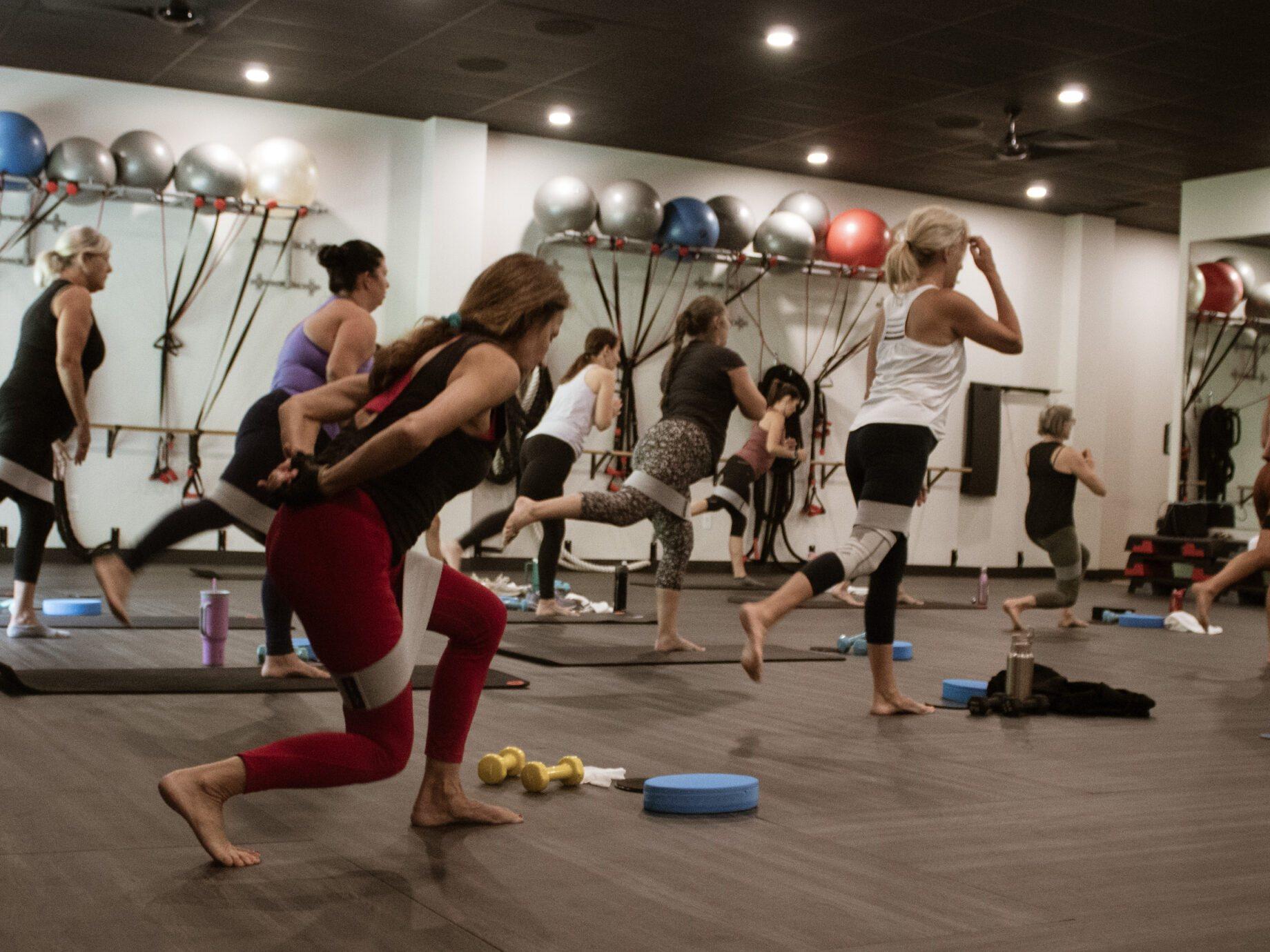
Finding fitness classes for couples is less about choosing the hardest workout and more about finding a class both partners can enjoy and repeat. A shared routine can make time for movement easier to protect and give partners a chance to encourage each other. Different goals, experience, and energy levels do not have to be a barrier.
What should couples decide before choosing a class?
Start with a short conversation about what each person wants from exercise. One partner may want strength work, while the other wants mobility or a more active week. A class can still work for both if it offers an appropriate range of movements and each person can adjust effort.
- Goals: Name one or two priorities, such as strength, cardiovascular activity, flexibility, coordination, or stress relief.
- Experience: Talk honestly about familiarity with group classes and movements that feel new.
- Preferences: Consider music, coaching style, class size, pace, and whether you enjoy a social or quieter atmosphere.
- Practical limits: Identify schedule windows, travel time, and movement restrictions to discuss with the instructor.
Each partner should have room to state a preference without needing to persuade the other. A shared choice works best when both can picture themselves participating, rather than when one person agrees simply to keep the peace. Try asking, “What would make you want to come back?” That question surfaces comfort and enjoyment alongside fitness goals.
How do you find a class level that suits both partners?
Couples often have different starting points. One person may exercise regularly while the other is returning after a long break. Look for instructors who explain options, demonstrate movements clearly, and make it normal to adjust intensity. Before class, check the description and ask what experience it assumes. Let the instructor know if you are new and ask about modifications.
Partners do not need to use identical resistance, take the same rest breaks, or choose the same movement variation. In a strength class, one can use a lighter load; in yoga or Pilates, each can choose a variation that feels comfortable; in cycling, resistance can differ while both follow the class flow. The precise options depend on the instructor and class. Ask before assuming a format can be modified.
Agree in advance that each partner can choose an individual pace. That prevents a common mismatch: one person treating the class as a race while the other is trying to learn the movements. A useful shared goal for a first visit might be to understand the format, follow the instructor, and leave feeling ready to consider another class. It is not necessary to match weights, speed, or range of motion.
Which class formats can couples try together?
There is no single best format for every pair. Think about what makes both people more likely to return. A class that feels fun and manageable is often a better starting point than one chosen only because it sounds intense.
| Format | What couples may like | What to check first |
|---|---|---|
| Yoga | Shared practice with attention to mobility, balance, and breathing | Class pace, experience level, and pose variations |
| Pilates | Structured movement and a focus on control | Whether it is mat-based or uses equipment, and what beginners should know |
| Spin or indoor cycling | One class flow with individual effort settings | Bike setup, instructor guidance, and intensity adjustments |
| Strength or circuit training | A varied session where partners can encourage each other | Equipment familiarity, movement options, and coaching support |
| Dance or cardio | Music and a lively group atmosphere | How choreography is taught and whether lower-impact options are offered |
This comparison is a starting point, not a promise that every class uses the same format. Read the current schedule and ask about the specific class. The Wembley Club is a private fitness and racquet sports club in Chagrin Falls, Ohio, with group fitness including yoga, Pilates, spin, and more. Explore Wembley group classes and fitness classes and facilities to see what may suit your interests.
How can couples compare schedules and build consistency?
A realistic schedule matters more than an ambitious plan that collapses after a week. Look at the next two weeks and choose one or two class times both partners can usually protect. Consider work, caregiving, commute, sleep, and recovery. If a class makes one partner rushed or resentful, keep looking.
- Choose a modest trial, such as one shared class each week for a few weeks.
- Pick a backup class time for weeks when the first choice does not work.
- Put the class on both calendars and decide how you will get there.
- After class, discuss what felt enjoyable, challenging, or inconvenient.
- Adjust the plan instead of treating a missed session as failure.
Make the routine easier by preparing clothes and any needed equipment the night before, agreeing on an arrival plan, and leaving time to settle in. If one partner has a late meeting, decide whether the other will attend alone or whether you will switch to the backup time. Making that choice in advance avoids turning a schedule change into a disagreement.
Consistency also depends on the experience around the workout. A friendly instructor, clear directions, and a welcoming class can matter as much as the exercise format. If you are comparing options, notice whether both partners feel comfortable asking questions and whether arriving on time is practical. The best plan is one that fits ordinary weeks, not only a week with no competing demands.
Should every workout be a shared workout?
No. A couple can share some classes and pursue separate activities on other days. Different interests, schedules, or energy levels may make an individual session more useful. Partners might attend one group class together and choose separate activities at other times.
Separate choices can help each person stay interested. One partner may prefer a high-energy format while the other enjoys a slower class. Supporting each other does not require matching every exercise. You can share the trip to the club, meet afterward, or simply exchange what you learned.
When choosing a club, consider the range of activities rather than evaluating it only by one class. The Wembley Club is a private fitness and racquet sports club in Chagrin Falls, Ohio. Alongside group fitness, the club offers tennis, pickleball, paddle, and swimming. Chagrin Falls has a pool; do not assume a separate location has the same amenities. Learn about racquet sports in Chagrin Falls, swimming and lessons, and Pilates at the club.
What should you ask before your first class?
A few practical questions can make a first visit feel less uncertain. Contact the club or instructor before class if the schedule description does not answer them.
- Is this class appropriate for someone new to this format?
- Are there options to reduce impact or change a movement?
- What equipment should we bring, and what is provided?
- How early should we arrive to get oriented?
- Can partners work at different levels in the same class?
Be specific about relevant limitations or concerns, but do not ask an instructor to diagnose an injury. If either partner has a health concern that could affect exercise, seek advice from a qualified health professional about appropriate activity. During class, stop or modify a movement if it does not feel right and let the instructor know.
It can help to agree on a simple first-class plan: arrive early enough to ask questions, choose a place where both can see the instructor, and avoid adding extra intensity just to impress each other. If you feel unsure about a movement, choose a comfortable option or pause and ask. A first visit is for learning whether the class suits you, not proving how fit you are.
How can couples tell whether a class is a good fit?
After class, review the experience together without grading one another. Did both people feel welcomed? Could each follow the instruction? Was the pace workable? Would you be willing to return? These questions are more useful than comparing calories, weights, or performance.
Give a promising class more than one try if the first visit felt unfamiliar, but do not force a format neither partner enjoys. A good fit should feel challenging in a manageable way and leave room for progress. If one person likes the instructor and the other prefers a different atmosphere, try another class or choose different sessions.
Use the same practical approach when comparing clubs. Look at class variety, schedule convenience, facility, and whether the community feels comfortable to you. Review membership information and contact options before deciding what you want to ask. For general exercise guidance, the U.S. Department of Health and Human Services provides the Physical Activity Guidelines for Americans, which describe activity recommendations for adults and children.
How can you make the first month useful?
Rather than deciding whether a class is perfect after one visit, treat the first few weeks as a small experiment. Keep the experiment simple enough to learn from. Try one format at a time when possible, so you can tell whether the experience or the schedule caused a problem. If you switch formats, note why: perhaps the pace felt too fast, the music was distracting, or the class time conflicted with family routines.
A short check-in after each session can turn vague impressions into a clear next step. Each person can rate comfort, enjoyment, and likelihood of returning in their own words. Then agree on one adjustment: choose another time, ask about an easier variation, or test a different class type. The point is not to create a scorecard for your partner. It is to make the next decision easier.
For example, suppose one partner likes cycling but the other finds the first class difficult to follow. Ask whether the instructor explains bike setup and effort choices, then consider a second visit with an agreed goal of learning the controls. If the concern is the class atmosphere rather than unfamiliarity, try a different format instead. A small change is more informative than deciding that all group classes are unsuitable.
Likewise, if both partners enjoy a class but cannot attend its weekly time, look for a similar format at another time rather than abandoning the shared routine. If the club schedule offers no convenient match, keep one shared class when possible and let each person fill other activity time independently. A useful routine adapts to real life.
What if your goals or abilities change?
Preferences can shift with seasons, work demands, family schedules, and experience. Revisit the plan when a class stops feeling useful or when one partner wants a new challenge. That does not mean the original choice was wrong. It means the routine can change as your needs change.
Discuss changes before signing up for a class that requires a different pace or equipment. One person may want to increase intensity while the other wants to keep a steady routine. You can choose a class with flexible effort, alternate formats, or attend separately for that part of your week. A shared habit should support both people, not limit either one.
Also leave room for non-fitness reasons to choose a class. A welcoming group, a convenient time, or the chance to try something new can be a real benefit. Partners may find that they value different parts of the experience. That is fine as long as both feel comfortable and the plan remains practical.
How can you compare two possible class plans?
Put the practical differences side by side before you commit to a routine. Imagine that one option is a lively evening cycling class and another is a weekend yoga class. The first may suit a couple who enjoys music and a fixed shared pace, while the second may fit partners who want a calmer start and more time to learn movements. Neither is automatically better. Compare how each option fits your schedules, comfort, and reasons for exercising.
- Time and travel: Estimate the full door-to-door commitment, not only the class duration. A convenient class is easier to repeat.
- Instruction: Look for clear demonstrations and a way to ask questions, especially if one person is new.
- Participation: Ask whether partners can choose different effort levels without disrupting the class.
- After-class feeling: Consider whether both people leave willing to come back, even if the workout felt challenging.
Try a simple decision rule: each person names one must-have and one flexible preference. For example, one partner may need a class after work, while the other mainly wants low-impact options. If a candidate meets both must-haves and most flexible preferences, it may be worth trying. If not, keep comparing rather than allowing the more enthusiastic partner to decide for both.
This approach also helps when the first choice is unavailable. You can preserve what mattered most—such as a shared time or a welcoming beginner experience—while changing the format. If the class time is the obstacle, keep the format and look for another time. If the teaching style or pace is the issue, keep the schedule and test a different format. Changing one variable at a time makes it easier to understand what works.
Frequently asked questions
Can beginners and experienced partners take the same class?
Often, yes, if the class offers options and each person can work at a suitable pace. Check the description and ask the instructor how participants can modify movements.
What if we want different results from exercise?
You can share a class while setting individual goals. One partner might focus on consistency and the other on learning movements; outcomes do not have to be identical.
How often should couples attend classes together?
Choose a frequency that fits your schedules and recovery. Starting with one shared session each week can help you learn whether the routine is practical before adding more.
Do we have to do every workout together?
No. Shared classes can be one part of a broader routine. Separate sessions are reasonable when partners have different preferences, schedules, or training needs.
Choose a class that feels welcoming to both of you, start at a sustainable pace, and let the routine grow through shared enjoyment rather than pressure.